2026-07-25
Seomyeon Hair Loss Concerns, A Guide to Scalp Care and Cuts a Salon Can Offer
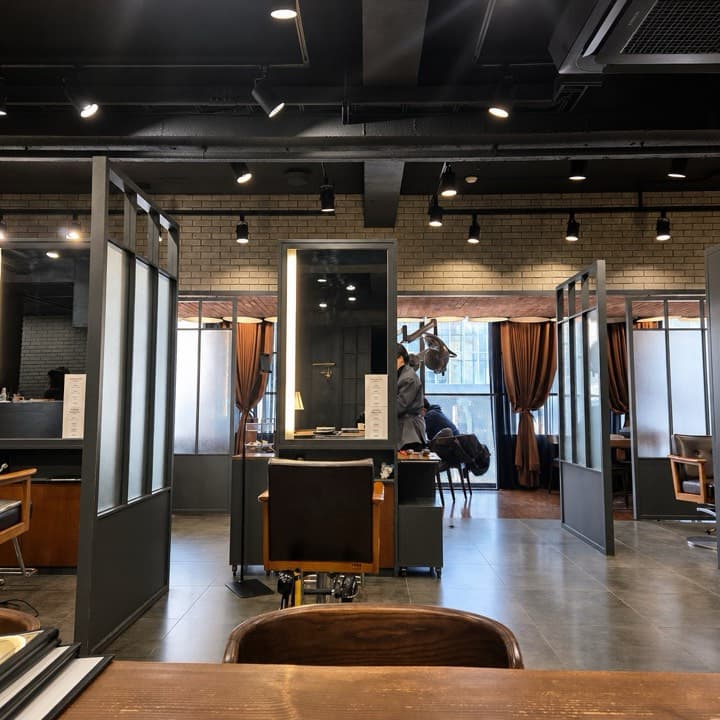
Hair can look thin for several reasons, density, thickness, how it lies flat, or where the part sits, and a salon can only work with the part of that a cut and styling can address. Keeping the scalp clean and cutting for root volume can make hair look fuller, but addressing the cause of hair loss or increasing the number of hairs is not something a salon does. If ongoing hair loss or a scalp condition is suspected, seeing a dermatologist first is recommended over a salon visit.
Many people notice the crown looking unusually bare in the mirror, or feel self conscious when the scalp shows through the part. But treating the cause of thin looking hair as one single thing often leads to looking for a fix in the wrong place. This guide walks through why thinning appearance rarely comes from just one cause, where a salon's ability to help begins and ends, how a cut makes hair look denser, root volume and styling habits, everyday habits that keep the scalp comfortable, and the signs that mean it is time to see a doctor.
1. Thin looking hair rarely has just one cause
Thin looking hair usually comes from several overlapping factors. Sometimes the actual density, the number of hairs growing per area of scalp, is genuinely lower, and sometimes the density is average but each strand is thin enough that the scalp shows through overall. On top of that, a habit of the roots lying flat because hair always grows pressed in the same direction, and parting the hair in the same spot for a long time so that one area looks especially bare, are both common.
These four factors, density, thickness, flatness, and part position, are different causes, so the approach needs to differ too. Increasing density itself is not something a salon can do, but the appearance caused by thin strands, flatness, or part position can be substantially improved with a cut and styling. Figuring out which of these is closest to your case first makes the consultation much more specific.

2. Where a salon's help begins and ends
What a salon can do is arrange the hair that is currently there to look as full as possible. Keeping the scalp clean and comfortable, adjusting weight and texture through cutting to make the hair look denser, and using styling or volume services that lift the roots to soften the look of the crown, that is the extent of a salon's role. Changing the part position or using bangs to cover a see through area is also possible.
On the other hand, increasing hair density, creating new follicles, or stopping ongoing hair loss are areas a salon cannot handle. These require diagnosis and prescription, which puts them in medical territory, so claiming a salon can solve them with any product or service, however good, would simply not be honest. It is worth being clear that improving the look through cutting and care is a different matter from removing the underlying cause.
3. How a cut makes hair look denser
Cutting hair short is not automatically the answer when it looks thin. Too much heavy layering can actually make the ends look scattered and thinner still. The key to making a cut look denser is where the weight sits. Keeping weight in the outer layer while only lightly thinning the inner layer makes the hair look fuller from the outside, and keeping the ends closer to a blunt line makes individual strands bunch together visually, giving the impression of more hair than there actually is.
Length matters too. Growing hair too long can weigh the roots down and drain the volume, making it look even thinner, while a moderate medium length with just a touch of layering tends to bring life back to the roots and makes the crown show through less. Adding bangs can also help blend the line between the forehead and crown naturally, so being specific about your thinning concerns during a cut consultation lets the designer adjust the weight distribution to match.
4. Root volume and styling habits
The habit of roots lying flat is largely shaped by which direction you dry your hair every day. If you dry it pressed flat without lifting the roots after washing, the hair develops a habit of falling the same way each day, making the crown look even more bare. Lifting the roots with your fingers and drying them against the usual direction first, then finishing the outer layer the way you want it to fall, puts life back into the roots and brings out volume overall.
A volume perm or root perm, which sets the direction of the roots themselves, can cut down on the daily effort of drying. That said, these services still work by lifting the hair that is already there rather than increasing the number of hairs. Switching your part to the opposite side about every other day also helps reduce the habit of one area being pressed flat all the time.
5. Everyday habits that keep the scalp comfortable
Keeping the scalp comfortable helps protect the hair that is already there. Choosing a gentle shampoo suited to your scalp, rinsing with lukewarm water, and drying the scalp fully after washing instead of leaving it damp all help. Applying styling products like wax or spray mostly to the outer hair, so they don't touch the scalp directly, also keeps the scalp comfortable.
Tying your hair tightly in the same spot every day can build up physical strain on that section of hair, so it helps to vary where you tie it up now and then. A scalp massage to loosen tight fascia can also be a comfort adding habit, though it is worth remembering that this too is a care level habit, not a way to remove the underlying cause.

6. Honest limits and the signs it's time to see a doctor
Every method covered so far is a way of making the hair that is currently there look fuller, not a way of removing the cause of hair loss or increasing the number of hairs. Cutting, volume styling, and keeping the scalp clean can clearly improve the impression, but that does not mean it stops or reverses hair loss that is actively progressing. Knowing this boundary clearly helps you avoid spending time and money in the wrong place.
If a specific area is losing hair in a round patch, if noticeably more hair comes out each time you comb, or if the scalp shows red patches, heavy flaking, or oozing, those are signs that need to be checked at a hospital rather than a salon. If you feel the pace of thinning has picked up over a matter of months in particular, seeing a dermatologist first to check the cause is recommended, rather than spending time on salon care alone. Salon care means the most when it runs alongside medical care, not instead of it.
How to talk through thinning hair concerns in Seomyeon
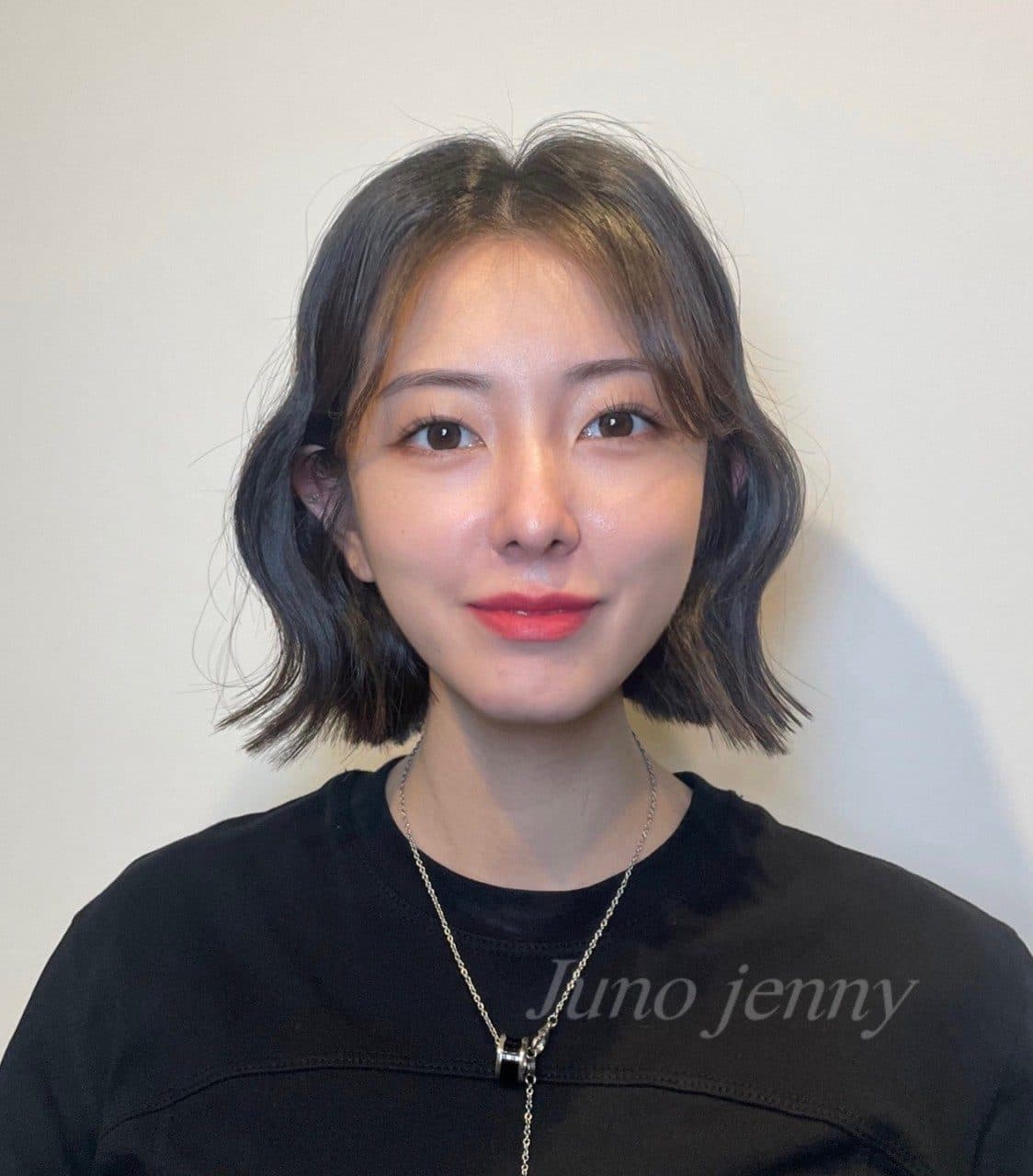
Thinning hair isn't something a single reference photo fixes. The first step is figuring out together why your hair looks sparse. Being specific about when it started bothering you, and whether the crown or the sides concern you more, lets your designer set the weight distribution and part direction to match. Juno Hair Seomyeon Bujeon has Director Won Suhyun and Chief Stylist Hyuk, who mainly handle scalp care, so thinning hair concerns can be talked through comfortably too.
How to get here and booking
Juno Hair Seomyeon Bujeon is at 3F Cheongyang Building, 40 Seomyeon-ro, Busanjin-gu, Busan. It is about a 5 minute walk from both Exit 7 and Exit 9 of Seomyeon Station, easy to reach by subway, and if you come by car you can use the nearby Hwangje Parking, with parking support depending on the service amount. Hours are open every day from 10:00 a.m. to 9:30 p.m. There are 6 designers, Won Suhyun, Jenny, Hyuk, Soyeon, Ina, and Yeji, and scalp care is mainly handled by Director Won Suhyun and Chief Stylist Hyuk. For a Seomyeon scalp consultation or booking, call 051 809 9605.
If thinning hair is on your mind in Seomyeon, Busan, start with a consultation at Juno Hair Seomyeon Bujeon about what cutting and scalp care can do. That said, if the thinning is speeding up or your scalp shows other symptoms, a doctor comes before a salon. This guide is meant for anyone searching for Seomyeon hair loss or Seomyeon scalp information while looking for a salon.
Frequently asked questions
Does thin looking hair always mean hair loss?
Not necessarily. Sometimes the actual density is lower, but often it is fine hair strands, a habit of the roots lying flat, or where the part sits that makes hair look sparser than it is. It is more accurate to look at several possible causes than to settle on just one.
Can a hair salon manage hair loss?
A salon can keep the scalp clean and help hair look fuller through cutting and styling, but that is the extent of it. Addressing the cause of hair loss or increasing the number of hairs is not something a salon does, and if ongoing hair loss is suspected, seeing a dermatologist comes first.
What kind of cut suits someone with thinner hair?
Rather than heavy layering, keeping weight in the outer layer and the ends closer to blunt makes hair look denser. Growing it too long can weigh the roots down, so a moderate length with just a touch of layering tends to work well.
How do you bring out root volume?
Lifting the roots with your fingers and drying against the usual direction first, then finishing the outer layer, brings out volume. A volume perm or root perm can cut down on daily drying effort, but it still works by lifting the hair that is there rather than increasing the number of hairs.
How do I take care of my scalp at home?
Wash with a gentle shampoo suited to your scalp using lukewarm water, and dry the scalp fully afterward. Apply styling products mostly to the outer hair rather than directly on the scalp, and vary where you tie your hair tightly to reduce the strain in any one spot.
What signs mean I should see a doctor?
If a specific area is losing hair in a round patch, if noticeably more hair comes out while combing, or if the scalp shows red patches or oozing, that needs to be checked by a doctor rather than a salon. Even if you simply feel the rate of thinning has picked up over a few months, seeing a dermatologist first is recommended.