2026-07-27
A Guide to Head Spa in Seomyeon, Scalp Types, Course Options, and Timing
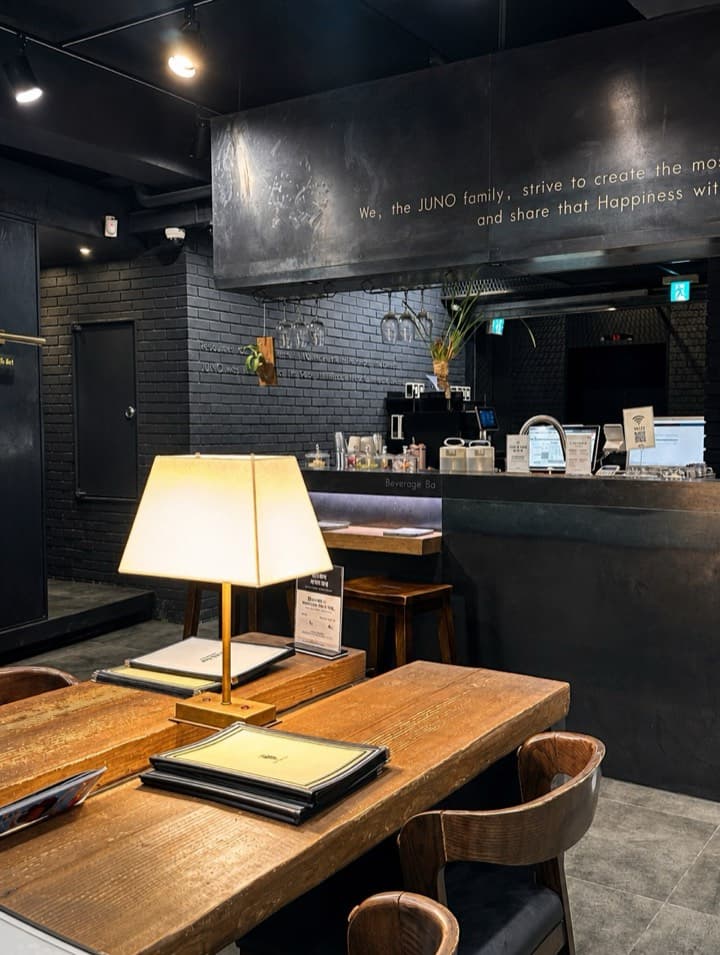
A head spa uses scalp specific products to clear away buildup and flaking skin, then massages the scalp by hand or with a device. Salons vary in course order, but a common flow is a scalp check, cleansing, massage, nourishing care, and blow dry, with the time depending on the course. At Juno Hair Seomyeon Bujeon the listed menu includes a relaxing shampoo at 20,000 won, and a fuller head spa course is best confirmed in person since it depends on scalp condition.
A scalp that takes daily heat from a dryer or iron, or one where styling product keeps building up, can start to feel heavy. But once you actually look into a head spa in Seomyeon, it is easy to get stuck on which scalp type you have, which course to pick, and how often to go. This guide walks through what a head spa actually does, how to check your own scalp type, the usual course structure and timing, how often to book one, what to keep in mind before and after, and an honest look at where a salon's role ends.
1. What a head spa actually does
A head spa is made up of five broad steps, a scalp check, cleansing, massage, nourishing care, and finishing style. The scalp is checked visually first, then a scalp specific cleanser, gentler than a regular shampoo, loosens oil and flaking skin caught in the pores. A massage follows, pressing the whole scalp with fingertips or a device, and an ampoule or tonic suited to the scalp type finishes it off. The biggest difference from an ordinary shampoo is how much more closely the whole process focuses on the scalp itself.
The important point here is that a head spa is a cosmetic scalp care, not a service that fixes an underlying condition. Its purpose is to loosen the tension in the scalp fascia through massage and wash away buildup for a lighter feeling overall. Many people feel a cool, refreshed scalp and a sense of lift right after, but that is a temporary comfort and reset, a different matter from curing a scalp condition or hair loss itself.
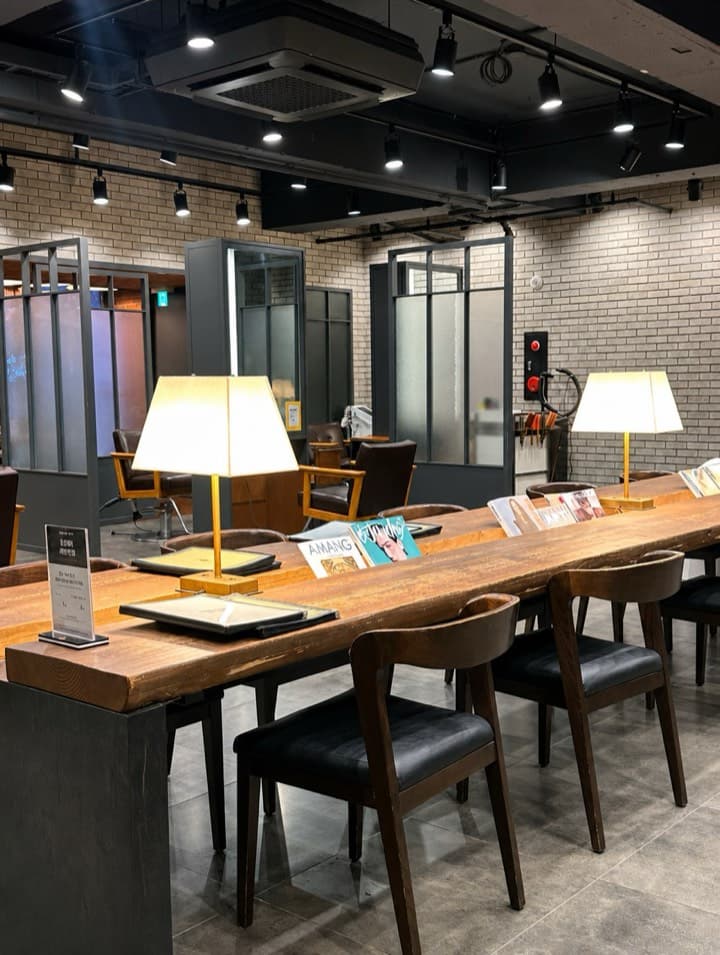
2. Checking your own scalp type, oily, dry, or sensitive
Scalp types roughly split into oily, dry, and sensitive. If your scalp turns shiny by evening even after a morning wash, and your hair goes flat quickly, that leans oily. If your scalp feels tight and shows fine white flaking within a day or two of washing, that leans dry. If your scalp often turns red or stings with a new shampoo or hair dye, it may be sensitive. A combination scalp that shows a mix of these traits is common too.
It is best to have the type checked again at the salon with a scalp diagnostic device or the designer's own eye. A self check is only a rough reference, and it can feel different depending on lighting or your condition that day. When booking a head spa, mentioning your usual scalp tendency and any recent itching or stinging lets the designer choose a matching cleanser and massage intensity.
3. Typical course structure and how long it takes
A head spa's order and timing change with the course. A shorter course, centered on cleansing and massage, often finishes in around 30 minutes, while a course that adds treatment and steam care can take over an hour. A common flow runs scalp check, a first cleanse with a scalp specific cleanser, massage, an ampoule or treatment application, steam or heat care, and a final rinse and dry.
The listed menu at Juno Hair Seomyeon Bujeon includes a relaxing shampoo at 20,000 won, a good reference for anyone wanting a lighter scalp cleanse and massage. A fuller head spa course depends on scalp condition and how much care you want, so the exact price and timing are best confirmed during an in person consultation. Mentioning the kind of course you have in mind when booking makes scheduling easier.
4. How often to get one
Oily scalps tend to build up oil and buildup quickly, so a 2 to 3 week interval is common, while dry or sensitive scalps often go every 4 to 6 weeks to keep irritation to a minimum. People who use styling products often or spend a lot of time outdoors exposed to dust sometimes shorten the interval a little.
That said, this interval is not an absolute rule, only a commonly referenced range. During periods when your scalp is especially itchy or flaking more, moving the timing earlier can help, and if there is no particular discomfort, there is no need to force a shorter cycle. Setting the interval with your designer based on your own scalp condition and lifestyle is the most realistic approach.
5. What to keep in mind before and after
Before the service, you must let the designer know if the scalp has any cut, inflammation, or breakout, since the massage or cleansing step could irritate it. It also helps to mention the timing of any recent bleach, perm, or color, because the cleanser strength and massage intensity need to be adjusted for the hair as well as the scalp.
Right after the service the scalp can be more sensitive than usual, so it is better to avoid brushing hard or drying for a long time with hot air. Drying the scalp first with a low, gentle setting closer to natural air, and keeping styling products like wax or spray to a minimum that same day, helps the effect last longer. The next shampoo can go back to your usual routine after about a day.
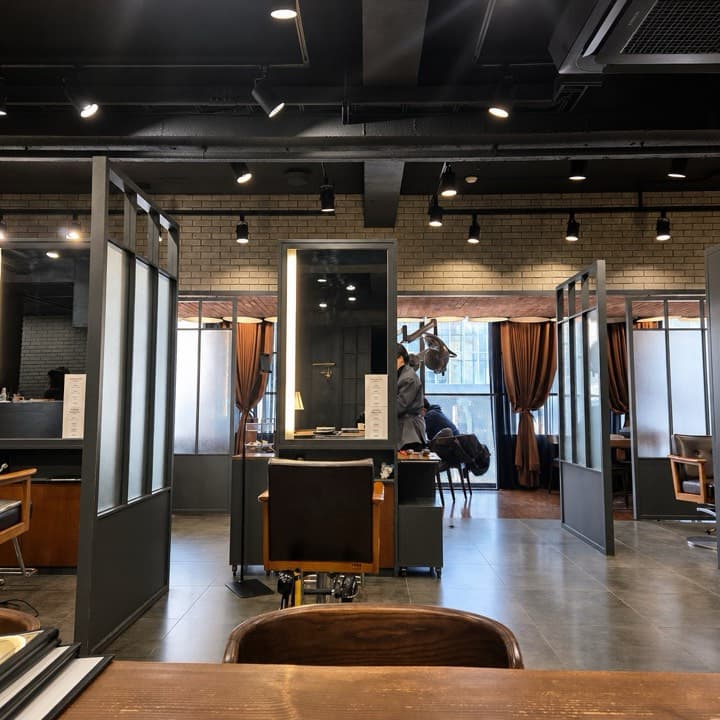
6. An honest limit, skin conditions or ongoing hair loss belong with a dermatologist
A head spa is a cosmetic care that keeps the scalp comfortable and eases that heavy feeling, not a service that cures a scalp condition or hair loss. If the scalp oozes, sheds heavy flaking as in seborrheic dermatitis, loses hair in a round patch, or shows a noticeable drop in density over several months, that goes beyond what a salon can address.
If you have any of these symptoms or your scalp keeps bothering you, seeing a dermatologist before booking a head spa is recommended. A salon's head spa is not a diagnosis or a prescription, only a service that keeps the scalp and hair comfortable, so the safer order is to have a clear symptom checked at a hospital first, then add a head spa on the care side afterward.
Getting ready for a head spa in Seomyeon
A head spa is less a service you expect a dramatic change from in one visit, and more a habit of steady care that keeps the scalp comfortable. Remembering which season or period your scalp usually feels heaviest, then booking around that time, tends to bring more satisfaction. Juno Hair Seomyeon Bujeon has Director Won Suhyun and Chief Stylist Hyuk, who mainly handle scalp care, so even a first time visitor can talk through their scalp condition comfortably.
How to get here and booking
Juno Hair Seomyeon Bujeon is at 3F Cheongyang Building, 40 Seomyeon-ro, Busanjin-gu, Busan. It is about a 5 minute walk from both Exit 7 and Exit 9 of Seomyeon Station, easy to reach by subway, and if you come by car you can use the nearby Hwangje Parking, with parking support depending on the service amount. Hours are open every day from 10:00 a.m. to 9:30 p.m. There are 6 designers, Won Suhyun, Jenny, Hyuk, Soyeon, Ina, and Yeji, and scalp care is mainly handled by Director Won Suhyun and Chief Stylist Hyuk. For a Seomyeon head spa consultation or booking, call 051 809 9605.
If your scalp has been feeling heavy in Seomyeon, Busan, come by Juno Hair Seomyeon Bujeon for a consultation matched to your scalp type. You can start with a relaxing shampoo and work out the right course with a designer, and if your scalp keeps bothering you, this is also a place that will recommend seeing a doctor first. If you are looking for a Seomyeon hair salon where you can comfortably ask about your scalp too, this is worth keeping in mind.
Frequently asked questions
How is a head spa different from just getting a shampoo?
A regular shampoo focuses on washing the hair and scalp, while a head spa adds a scalp check, massage, and scalp specific products to give the scalp itself a more thorough reset. The cleansing time, intensity, and finishing care differ, so a head spa suits you better if your scalp often feels heavy.
How can I tell if my scalp is oily or dry?
If your scalp gets shiny and your hair goes flat within a day of washing, that leans oily, while if the scalp feels tight and shows white flaking within a day or two, that leans dry. If your scalp often turns red or stings, it may be sensitive. It is best to have the type checked again at the salon.
How often should I get a head spa?
Oily scalps commonly go every 2 to 3 weeks, while dry or sensitive scalps often go every 4 to 6 weeks. This is a general reference range though, and you can move the timing earlier during periods when your scalp feels especially uncomfortable. Setting the interval with your designer based on your own condition and lifestyle is the most accurate approach.
How much does a head spa cost?
According to the listed menu at Juno Hair Seomyeon Bujeon, a relaxing shampoo is 20,000 won. A fuller head spa course depends on scalp condition and the care you want, so the exact price is best confirmed during an in person consultation.
Does a head spa help with hair loss?
A head spa is a cosmetic scalp care service, not a service that cures hair loss or a scalp condition. If you have ongoing hair loss, oozing, or heavy flaking, seeing a dermatologist first is recommended rather than starting with a head spa.
Do I need to book a head spa in advance?
Yes, since the scalp needs to be checked first and the course and timing arranged, booking ahead is recommended. Mentioning your usual scalp condition and any recent discomfort when you book makes preparation smoother. A Seomyeon head spa booking can be made by calling 051 809 9605.