2026-07-15
How to Choose Your Hair Color by Personal Color in Seomyeon, From Brightness to the Range Without Bleach
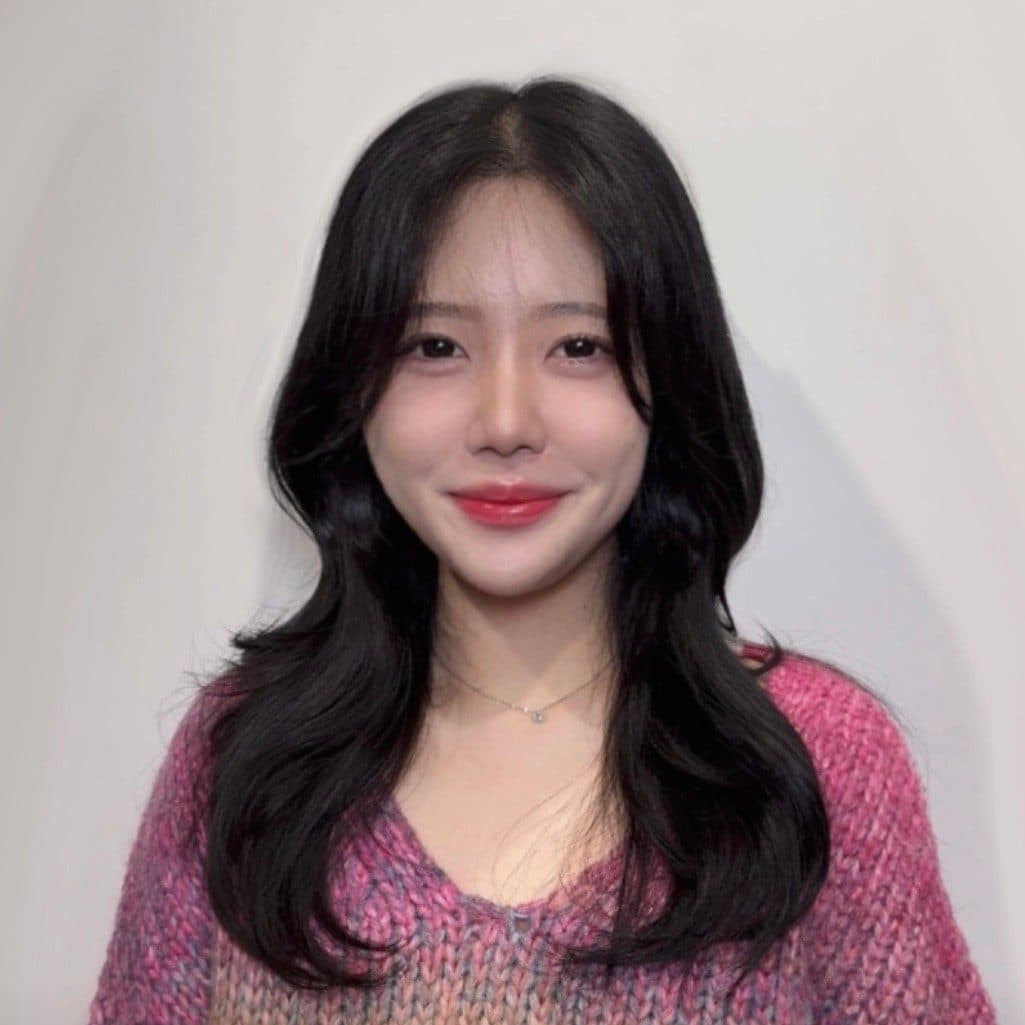
When choosing a hair color, whether you lean warm or cool matters less than brightness and saturation, meaning how light the color is and how vivid it reads. If you have a personal color diagnosis, use it as a reference for adjusting brightness within that tone. If you do not, checking your skin brightness and how vivid a color you usually like is enough to start. At Juno Hair Seomyeon Bujeon, women's color is priced at 135,000 won by the salon menu, while any color that needs bleach first varies with hair condition and is best confirmed during an in person consultation.
Personal color is a familiar term, but many people are unsure how to translate it into an actual hair color choice. This guide walks through why brightness matters more than warm or cool for hair, how to use a diagnosis result if you have one, three checks that reduce failure if you do not, the illusions created by photos and lighting, the range of color you can reach without bleach, and why the care after coloring matters just as much as the color itself.
1. For hair, brightness comes before warm or cool
A personal color diagnosis usually splits skin into warm and cool, then into finer types such as spring warm, autumn warm, summer cool, and winter cool. That split works reasonably well for clothes and makeup, but hair is a bit different. Hair covers a large area next to the face and catches a lot of light, so even within the same warm family, a different brightness level changes the overall impression completely. A dark brown and a light brown can both sit in the warm family and still read very differently on the face.
In practice, it is more useful to decide the brightness level first, then fine tune the warm or cool direction within it. Lowering brightness increases contrast and gives a crisp, calm impression, while raising it brightens the face but can also bring out redness or dullness in the skin. Saturation, meaning how vivid the color is, works the same way. A high saturation color reads bold and distinct, while a lower saturation, more neutral tone blends in quietly. Settling these two dimensions before worrying about warm versus cool tends to cut down on regret.
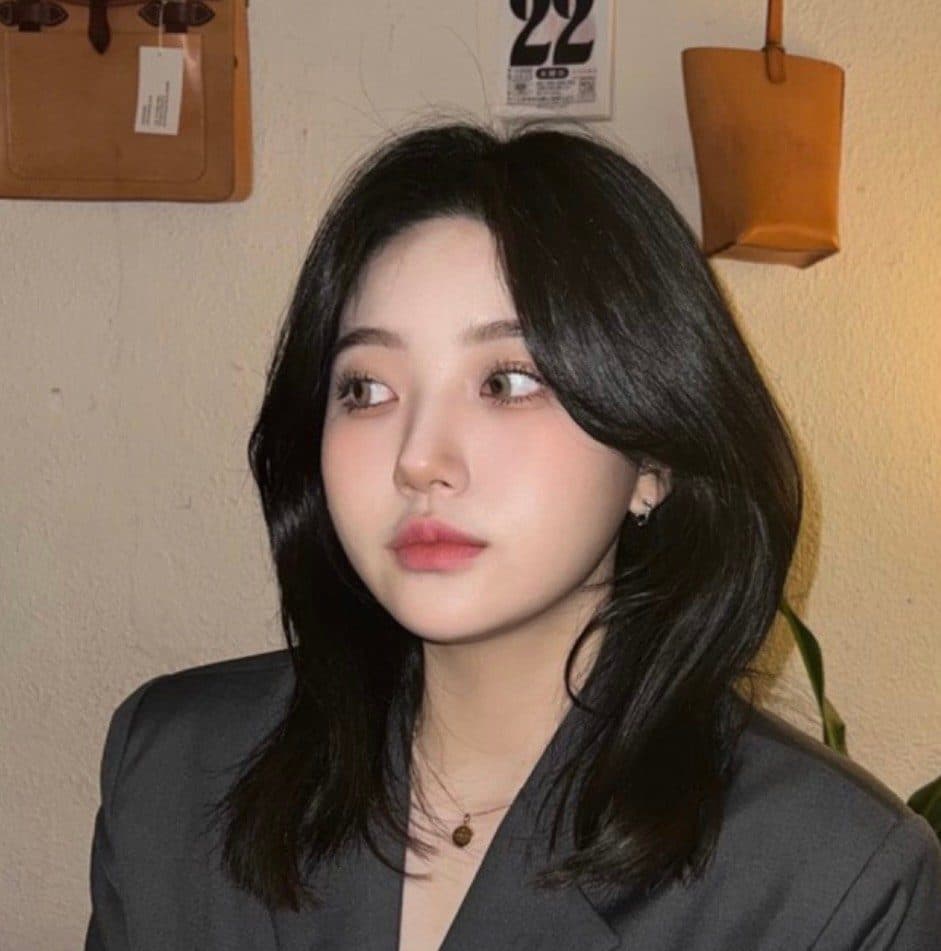
2. How to use a diagnosis result if you have one
If you have already had a personal color diagnosis, the result is a useful reference for setting the direction of your hair color. What a diagnosis usually fixes is the undertone direction, not the exact brightness or saturation. A warm diagnosis points toward gold, copper, and warm brown tones as a comfortable direction, while a cool diagnosis points toward ash, pearl, and cool brown tones. How bright or how vivid you go within that direction is still a separate decision.
During a consultation, it helps to share not just your diagnosed season or type but also the undertone direction it points to, your usual preferred brightness, and how often you are willing to touch it up. If the designer then suggests two or three tone options within that direction, choosing among them based on brightness is the most efficient way to use a diagnosis result. It is realistic to treat the diagnosis as a starting point for conversation rather than a fixed answer.
3. Three checks that reduce failure without a diagnosis
Even without a diagnosis, there are a few simple checks you can use as a reference when choosing a color. First, check the natural brightness of your eyebrows and eyes. If they are on the darker side, hair color usually needs to stay somewhat lower in brightness to balance your features, while lighter eyebrows and eyes can make a very dark color feel heavy. Second, look at the jewelry color you naturally reach for. If gold toned pieces feel effortless, a warm direction is often a comfortable starting point, and if silver toned pieces feel more natural, a cool direction tends to work as a starting point.
Third, notice how your lips react to different lip colors. If coral or orange toned lipstick brightens your face, that leans warm, and if pink or berry toned lipstick suits you better, that often leans cool. It should be clear that these three checks are informal reference points, not a scientific diagnosis. If the three checks point in different directions, it is safer to mention all three during a consultation and narrow things down together with your designer rather than forcing a single conclusion on your own.
4. The illusions created by photos and lighting
Salon lighting tends to lean toward a warm yellow tone, so the same color can look different right after the service under salon lights compared to the next day under overcast natural daylight. Cameras add another layer. Phone cameras automatically adjust white balance, so colors in photos often come out brighter or warmer than they are in person. If you found a reference photo online that you liked, keep in mind it may have gone through editing or a filter as well.
The simplest way to reduce this illusion is to check a color sample or a dyed strand once more near a window in natural light before committing. After the service, avoid judging the color only under salon lighting. Once home, check it again under your usual lighting and in daytime natural light. Knowing that a color can look quite different under different lighting because of the light itself, not a flaw in the color, helps you avoid unnecessary worry.
5. The range of color you can reach without bleach
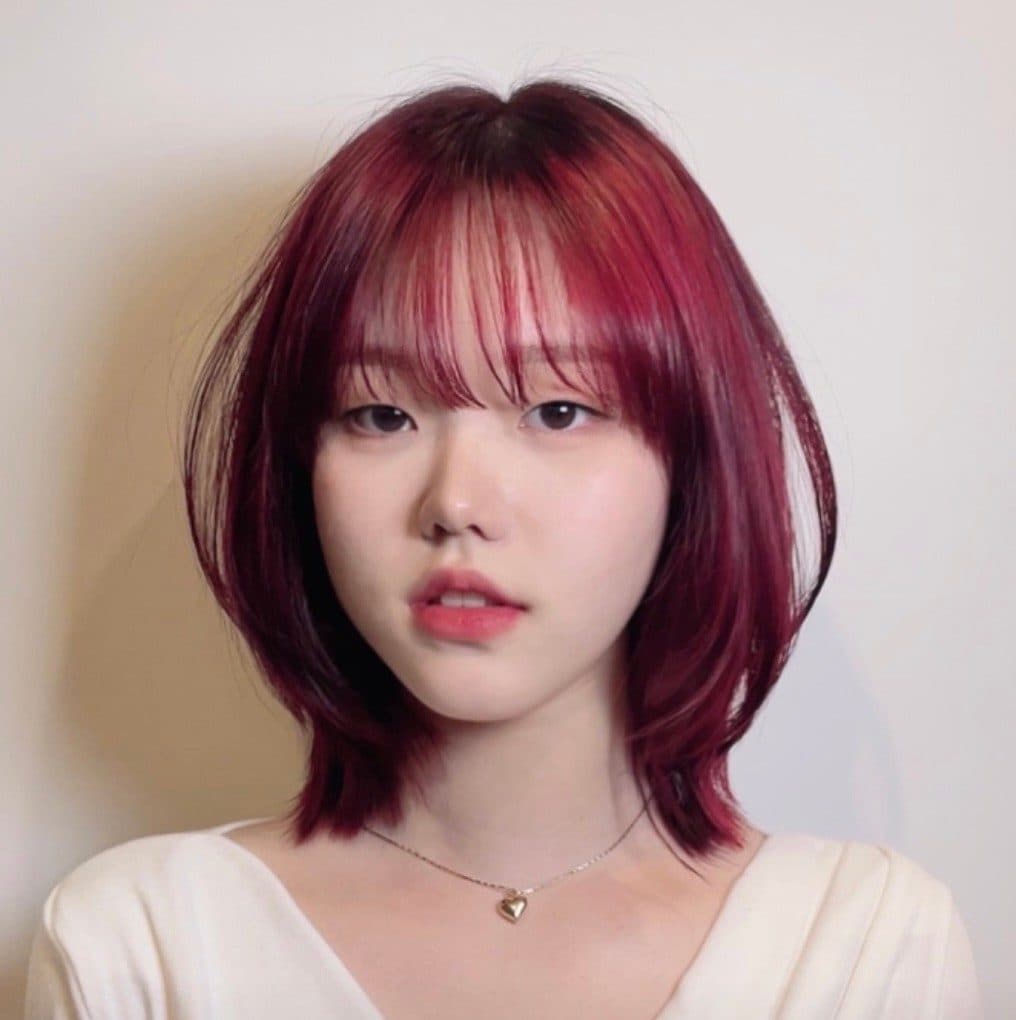
Natural hair in Korea tends to sit on the darker side, so there is a limit to how bright you can go with regular color alone, without bleach. Even within that limit, there are quite a few options. Moving from a dark brown to a slightly lighter brown, or into a reddish brown or a lower saturation wine or burgundy tone, is often reachable without bleach. Women's color at Juno Hair Seomyeon Bujeon is priced at 135,000 won by the salon menu, and within this range there is room to choose among various brown and wine toned options through a consultation.
Brighter ash tones or near pastel colors, on the other hand, usually need the base hair to be light enough for the intended shade to show properly, which often means going through a bleaching process first. Because colors that need bleach vary widely in process and price depending on hair thickness, damage level, and the brightness you want, it is hard to state an exact figure in advance, and it is more accurate to have your hair checked in person during a consultation. If you are curious how far your current hair can go, bringing a photo of the color you want to a consultation is the most reliable way to find out.
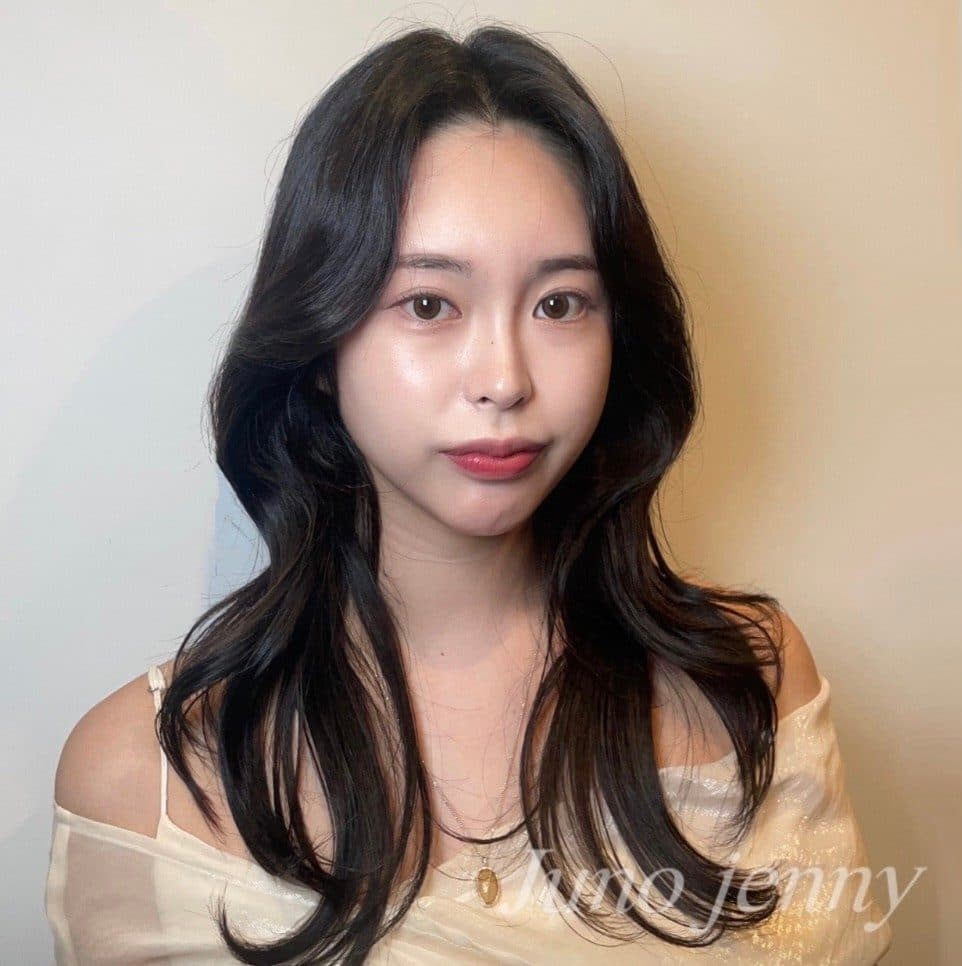
6. An honest note, the fit comes from aftercare as much as from the color itself
No matter how well brightness and saturation are matched, the good first impression does not last if the aftercare does not keep up. Warm toned colors sometimes lose their reddish or golden cast noticeably over time, while cool toned ash colors often fade toward yellow as the color washes out. In other words, even the same chosen color can drift differently a month later depending on sun exposure, washing habits, and drying temperature.
This is why it is honest to weigh not just the tone itself but the effort needed to maintain it. Brighter, more vivid colors generally take more upkeep, while darker, lower saturation colors tend to be lighter on maintenance. Finding a flattering color and building the habits to keep that color looking good over time are two different things, and considering both is what leads to a result you stay happy with.
Getting ready to choose a hair color in Seomyeon
If you have a personal color diagnosis, bring its direction as a reference. If you do not, think ahead about your eyebrow and eye brightness, the jewelry color you gravitate to, and how your lips react to different lip colors. Try to bring photos of the color you want taken in natural light, and think about how much time you can realistically spend on upkeep, so the consultation can get specific quickly. If you are considering a hair color in Seomyeon, Busan, talking through brightness, saturation, and maintenance habits together with a designer is the path to a result you are happy with.
How to get here and booking
Juno Hair Seomyeon Bujeon is at 3F Cheongyang Building, 40 Seomyeon-ro, Busanjin-gu, Busan. It is about a 5 minute walk from both Exit 7 and Exit 9 of Seomyeon Station, easy to reach by subway. Hours are open every day from 10:00 a.m. to 9:30 p.m. There are 6 designers, Won Suhyun, Jenny, Soyeon, Ina, Hyuk, and Yeji. Color work overall is mainly handled by designers Soyeon and Ina, and Chief Stylist Jenny also joins color consultations that include magic straightening or perms. For a Seomyeon hair color or personal color reference consultation, call 051 809 9605.
If you want to change your hair color in Seomyeon, Busan but are not sure which tone fits, come by Juno Hair Seomyeon Bujeon for a color consultation based on brightness and saturation. It is a Seomyeon hair salon people return to for natural color and clear aftercare guidance. Bring a photo of the color you want along with your current hair condition, and a designer will walk you through everything from whether bleach is needed to how to maintain the result.
Frequently asked questions
Can I get a personal color diagnosis at Juno Hair Seomyeon Bujeon?
There is no confirmed dedicated personal color diagnosis service offered at the salon. If you already have a diagnosis, you can bring the result as a reference during a color consultation. Even without one, simple checks such as your eyebrow and eye brightness or your preferred jewelry color can help set a direction.
If I am warm toned, will a cool toned color not suit me?
Not necessarily. For hair, brightness and saturation affect the overall impression more than the warm or cool direction. If the brightness is well matched to your face, a color that leans slightly off from your warm or cool direction can still look fine. It is safest to adjust both direction and brightness together during a consultation.
How much does hair color cost in Seomyeon?
Women's color at Juno Hair Seomyeon Bujeon is priced at 135,000 won by the salon menu. This applies to regular color that does not need bleach. Brighter ash tones or pastel colors that require bleach vary with hair condition and are best confirmed during an in person consultation.
Can I get a bright color without bleaching my hair?
Natural hair in Korea tends to be on the darker side, so there is a limit to how bright regular color alone can go. Moving into a slightly lighter brown, or a lower saturation wine or burgundy tone, is often reachable without bleach. Very bright ash or pastel tones usually need bleach first.
Can the actual color look different from a reference photo?
Yes, lighting and cameras can create a difference. Salon lighting leans warm and yellow, so the color right after the service can look different from how it reads under natural daylight the next day, and reference photos may have been edited or filtered as well. Checking a sample near natural light before committing helps reduce this illusion.
How do I book a color consultation or appointment in Seomyeon?
Juno Hair Seomyeon Bujeon is on the 3rd floor of Cheongyang Building, 40 Seomyeon-ro, Busanjin-gu, about a 5 minute walk from both Exit 7 and Exit 9 of Seomyeon Station. It is open every day from 10:00 a.m. to 9:30 p.m., and you can book by calling 051 809 9605. You can also pick a designer and book right away with the booking button on this page.