2026-06-14
Spring and Summer Hair Color Trends and How to Color Without the Damage
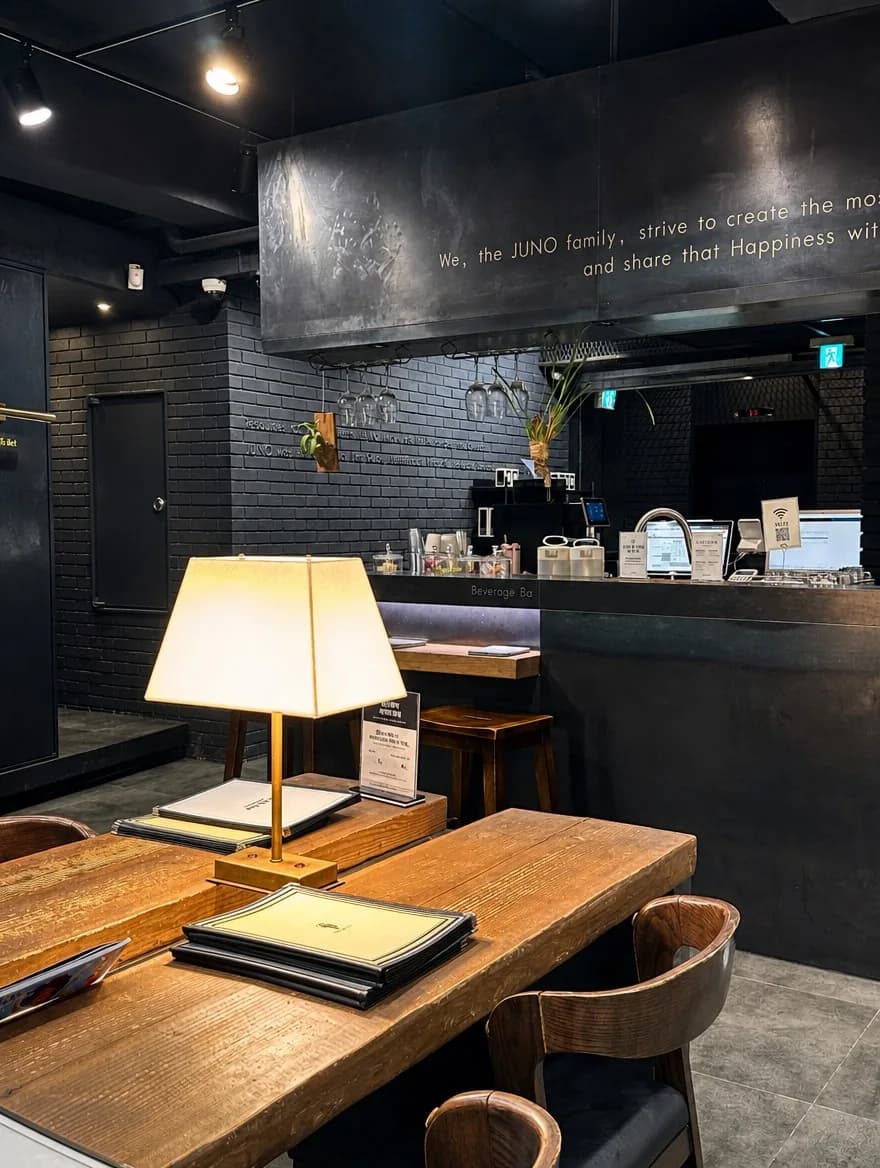
The big direction in hair color this spring and summer is, in a word, less artificial and more natural. Rather than flat single tones, cool shades like ash and natural brown that quietly come alive in sunlight are in demand. Mid tones such as ash brown and natural brown can often be achieved without bleach depending on your hair's condition, while clean bright colors like platinum or pastel almost always need bleach. The key is checking whether your hair can handle the service right now, before chasing any trend.
This season's color trends, ash and natural tones
This year, rather than covering the whole head in one shade, colors that create subtle texture shifting with the light lead the way. Cool, smoky browns like ash brown and mushroom brown are typical. From a distance they read as effortless, but up close they carry a quiet depth that many people ask for.
There is a reason ash brown suits Asian hair so well. Asian hair carries a lot of red melanin, so it easily turns warm and reddish over time. Ash tones, with their cool cast, neutralize that redness for a calm look that is not flashy. It is a popular direction for people with sharp features who want a softer mood.
If you want to go lighter this summer, soft warm shades stand out more than icy platinum, think butter blonde or honey brown with a golden glow. Color that stays calm day to day but reveals a different shade when you tie or push the hair back is also a keyword this season.
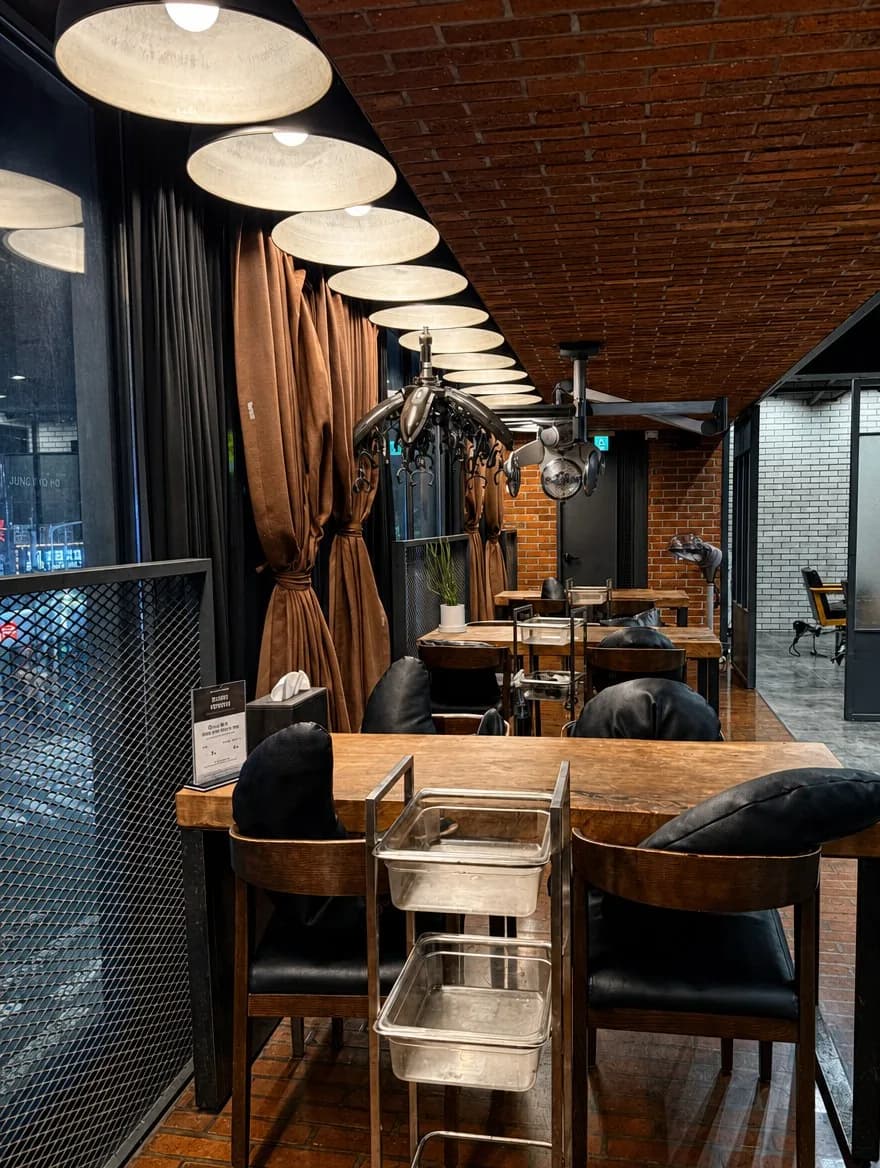
Do you really need to bleach
It depends on the brightness and color you want. Mid tones like ash brown or natural brown can often be done without bleach, depending on your hair's condition. But if you want bright, clean colors such as platinum, light ash blonde, or vivid pastels, bleaching is almost essential, because the pigment in dark hair has to be lifted out first.
What matters more than bleaching itself is how many times you do it and your hair's condition. Repeating bleach on hair already weakened by perms or frequent color builds up damage fast. So instead of pushing for maximum lightness in one go, more stylists set a tone the hair can handle or lighten over several sessions. The safest move is an honest consultation about whether your hair can currently withstand bleaching before you commit.
In salon treatments that reduce damage after coloring
Right after coloring or bleaching, hair is close to an empty state. The chemical process strips out protein and moisture, leaving the inside loose, so the care you put in at this moment greatly affects how damaged the hair feels. A salon hair clinic fills damaged hair with nutrition and moisture to restore its texture, refilling protein deep into the strand and smoothing the outer cuticle.
If your service involves bleach, getting a clinic on the same day is especially helpful, because it refills nutrients right at the moment of peak damage. The hair clinic builds up its effect when received at regular intervals rather than just once, so plan with your stylist which treatment to do on the day and how often to follow up.
At home care for colored hair
If a salon clinic is emergency care, home care is the daily maintenance. The biggest reason color fades fast and hair turns dry is often everyday habits. Just following a few of these makes color and texture last noticeably longer.
Ash tones in particular tend to turn warm or yellow as they fade. Mixing in a purple or blue toning shampoo once or twice a week helps hold the tone longer. Daily use can make hair too dark, so frequency matters, and it is safest to ask your stylist for a product matched to your exact color.
Doing a perm and color the same day, order matters
Many people pack a perm and color into one day to save time. It is possible, but you need to respect the order and spacing to limit damage and color shift. The generally recommended order is perm first, color second. The chemicals and heat involved in perming can dull color, so applying the color last helps it last longer.
That said, both are chemical processes and put real strain on the hair. If your hair is heavily damaged, it is safer to leave at least one to two weeks between them, and if you do proceed on the same day, slotting a clinic in between helps. Leave the final call to a stylist who has seen your hair in person. A consultation based on actually looking at the hair always beats any fixed formula.
In closing, your hair's condition comes before any trend
This year's color trends converge on naturalness because healthy looking hair is the most beautiful of all. Even when following a trending shade, the longest lasting choice is to first check whether your hair can handle that service right now. At Juno Hair Seomyeon Bujeon, each designer has their own main services. Director Won Suhyun handles root color and scalp care, Chief Stylist Jenny handles magic straightening and perms, and Chief Stylist Soyeon and Designer Ina both cover cuts, perms, and color. So for a service like color or a clinic treatment, you can pick the designer that fits and book a consultation.
How to get here
Juno Hair Seomyeon Bujeon is on the 3rd floor of Cheongyang Building, 40 Seomyeon-ro, Busanjin-gu, Busan. It is about a 5 minute walk from Exit 9 of Seomyeon Station, easy to reach by subway, and if you come by car you can use the nearby Hwangje Parking, with parking supported depending on the service amount. Hours are open every day, from 10:00 a.m. to 9:30 p.m. English service is available, so foreign guests can get a consultation too. For inquiries call 051 809 9605, and you can also book right away with the booking button on this page.
Frequently asked questions
Do I need to bleach to get ash brown?
Not always. Mid tones like ash brown or natural brown can often be done without bleach, depending on your hair's condition. But if you want a cleaner, brighter ash, bleach may be needed to lift the pigment in dark hair, so it is safest to discuss your target brightness with the designer before the service.
I'm worried about damage after color or bleach. What care helps?
Right after color or bleach, protein and moisture are stripped and the strand goes loose inside. A salon hair clinic refills nutrition and moisture to restore texture, and getting it on the same day is especially helpful if you bleached. The effect builds up when received at regular intervals rather than just once.
Can I get a perm and color on the same day? What order?
It is possible, but you need to respect the order and spacing. The usual recommendation is perm first, color second, because the chemicals and heat of perming can dull color, so applying color last helps it last. If your hair is heavily damaged, it is safer to leave at least one to two weeks between them rather than stacking them in a day.
My color fades too fast. How do I make it last?
Use a sulfate free shampoo, refill the strand with a protein and oil rich treatment, and do a deep mask once or twice a week. When drying, avoid long hot air and use mostly lukewarm air, and do not sleep with wet hair. For ash tones, mixing in a purple or blue toning shampoo once or twice a week holds the tone longer.
What is the difference between balayage and regular color?
Regular color dyes everything evenly in one tone. Balayage is painted by hand to create a natural flow, dark at the roots and lighter toward the ends. The regrowth line is less visible, so it suits people who cannot touch up often and want to stretch the time between visits.
Can foreigners get a color consultation in English?
Yes, English service is available. If you describe the color or brightness you want in English or show it with a photo, the designer will check it together with you as the service goes on. Juno Hair Seomyeon Bujeon is about a 5 minute walk from Exit 9 of Seomyeon Station, and calling 051 809 9605 ahead of your visit makes it smoother.