2026-07-08
How to Order a Men's Haircut in Seomyeon, Getting the Result You Actually Want
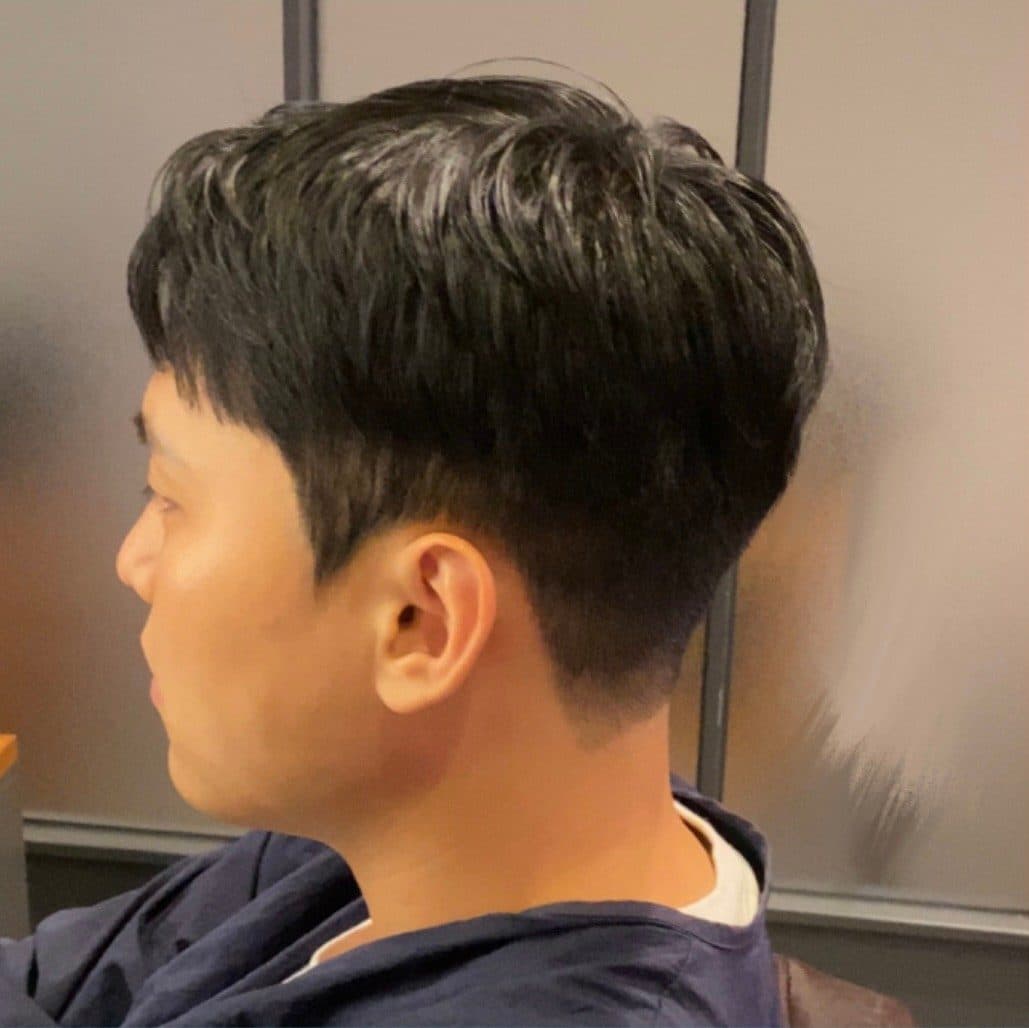
The surest way to get the men's haircut you actually want at a Seomyeon salon is to describe length and direction by area rather than relying on a style name. Whether you're getting a men's cut or looking for a salon that cuts well, explaining the sides and back with numbers or a gradation level, and the top and fringe with length and flow direction, cuts down on misunderstandings. Even with a reference photo in hand, mentioning your hair's thickness and the direction of your crown swirl beforehand gets you a result much closer to what you want, even if it isn't identical to the photo.
This guide covers how to describe a men's haircut so it comes out the way you want when you visit a salon in Seomyeon. It walks through describing by area instead of by style name, how to explain the sides and back, how to explain the top and fringe, tips for using a reference photo, why you should state your hair's condition first, and the honest fact that it won't come out identical to a photo, all in order. Finding a salon that cuts well matters, but so does how clearly you communicate what you want.
1. Describing by area is more accurate than naming a style
Style names like two block, regent, or crop cut bring different images to different people's minds, and even the same name can be interpreted a little differently from salon to salon. So ordering by a single name alone makes it easy for a gap to appear between what the designer pictures and what you actually want. Describing the side length, back length, top length, and fringe length separately instead leaves much less room for differences in how a name gets interpreted.
Describing it by area also makes it clear to the designer which part needs more attention. For example, asking to keep the sides short and the top long enough to flow gives a far more specific instruction than a single name like two block. It might feel a little awkward to phrase at first, but once you know a few basic guidelines, anyone can apply this easily.
2. How to describe the sides and back, length, gradation, and ear line
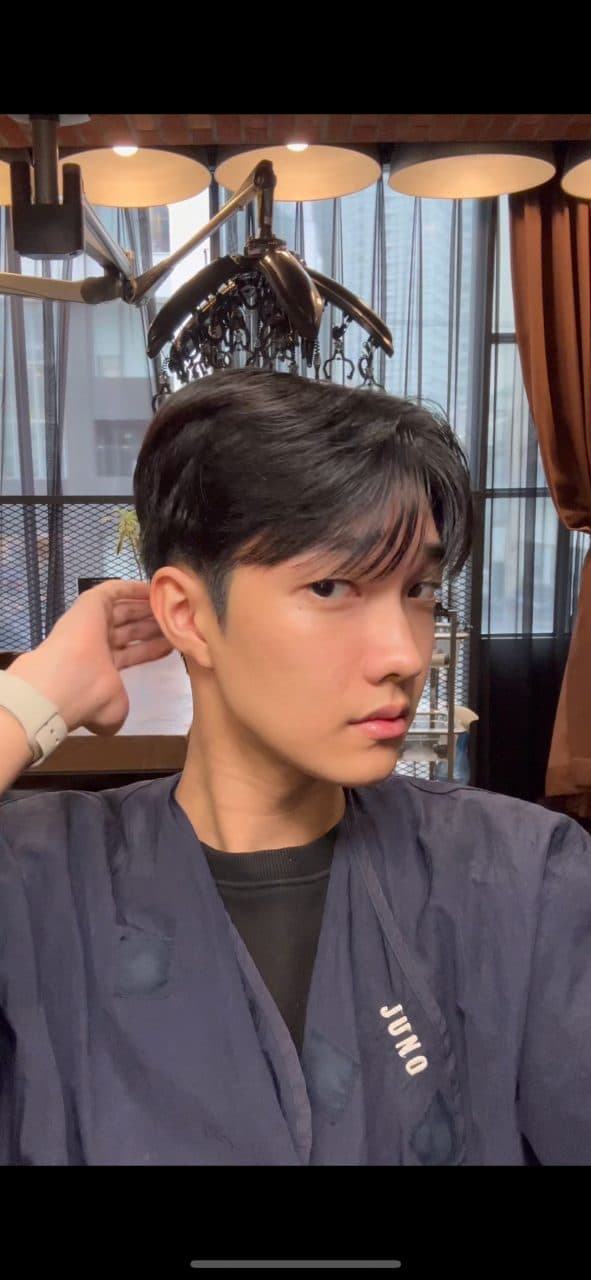
For the sides and back, giving a number is the most accurate approach. Stating the length in clipper guard size or millimeters lets the designer match to the same standard. For example, if you want the sides short with a gradation that gets longer toward the crown, mentioning at what point the length should start changing, and at what height the line above the ear should be cleaned up, gets you a much more accurate result.
The ear line and neckline are areas where preference varies a lot from person to person. Some people like the ear fully exposed, while others feel more comfortable with a slight cover. The back of the neck also changes the impression depending on whether you want a sharp, squared off line or a naturally rounded one, so it's worth being specific about this part too.
3. How to describe the top and fringe
For the top, direction matters just as much as length. Whether you want it to fall forward, sweep to the side, or stand up changes how much length and density you need. For a side sweep, for instance, leaving a bit more length on the direction it sweeps toward helps it fall naturally, and for a style that stands up, not over thinning the density near the roots keeps the volume alive.
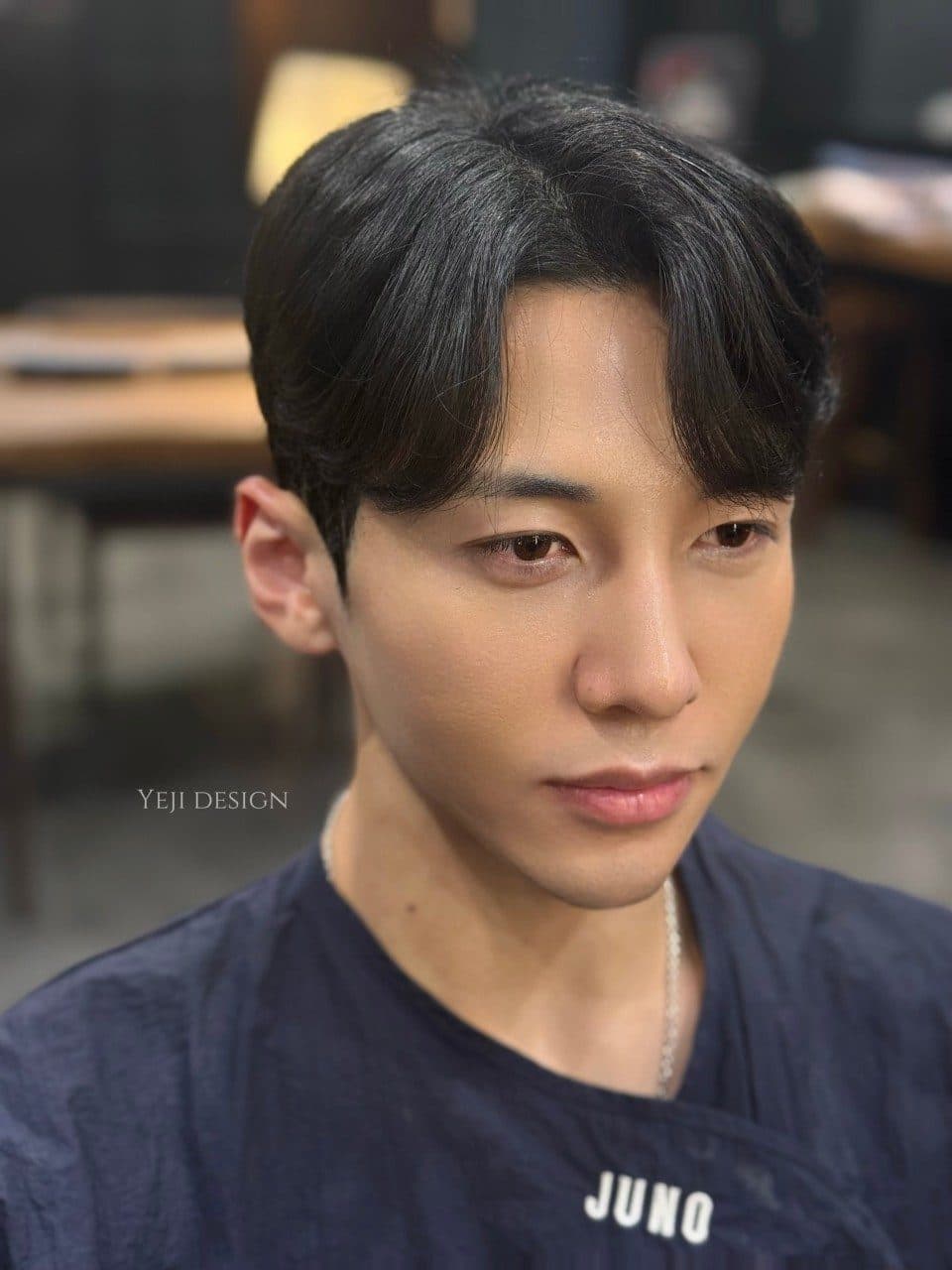
For the fringe, setting a reference point, like above the eyebrows, just covering the eyebrows, or covering the eyes, makes things much clearer. Whether the ends should be cut straight across or layered naturally is also important information. If you feel your forehead is wide or narrow, mentioning that beforehand also helps when adjusting the fringe length and density.
4. Tips for using a reference photo, sides and back, not just the front
A single photo carries more information than words, but a front facing photo alone makes it hard to tell the length of the sides and back or the angle of the gradation. If possible, it helps to prepare a front, side, and back view together. A back view photo in particular helps a great deal in judging the neckline treatment and back length.
It also helps to keep in mind that if the model in the photo has different hair thickness or wave from yours, the same style can look different on you. So when showing a photo, pointing out exactly what you liked about it, for example the angle of the side or the flow of the fringe, helps the designer zero in on the key point more accurately.
5. Why you should mention your hair's condition first, growth direction, crown swirl, and thickness
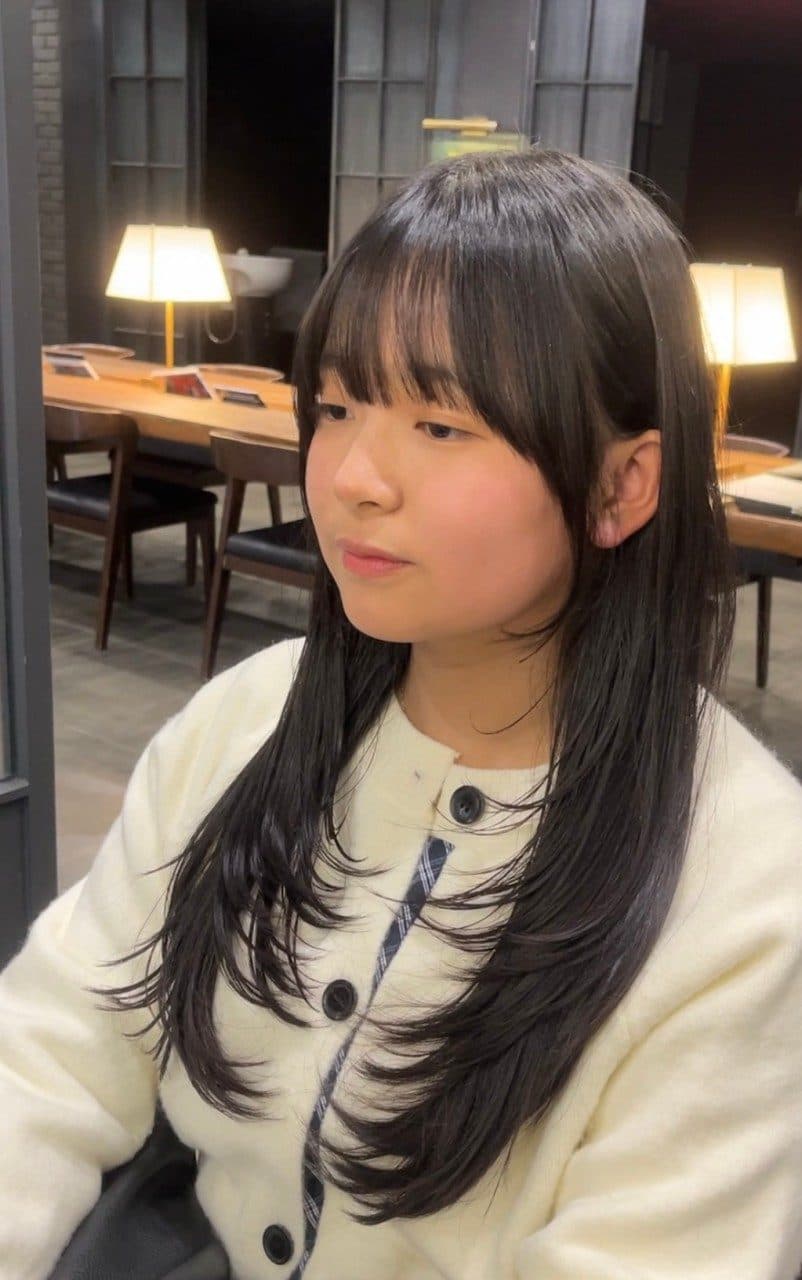
Even ordering the same length and direction, the result changes depending on your hair's natural growth direction and where your crown swirl sits. The area around the crown swirl is where hair grows outward in every direction, so it tends to lift when cut short, and a spot where the growth direction runs strongly one way keeps pushing back against a direction you want that goes against it. These traits aren't always easy to see in a mirror, but a designer can spot them quickly by feeling through the hair directly.
Hair thickness matters too. Thick, strong straight hair has a strong lift, so it may need more thinning to lie in the direction you want, while fine, limp hair can lose volume and look flat if too much density is removed. Thinking ahead about whether your hair runs thick or fine, and roughly where your crown swirl sits, and mentioning it before the consultation makes the time spent there much more efficient.
6. An honest note, it won't come out identical to the photo
No matter how carefully you bring a photo, getting an identical result is difficult because your hair thickness, growth direction, crown swirl, and head shape differ from the model in the photo. This isn't really about the designer's skill, it's simply because hair as a material differs from person to person. Still, conveying the length and direction by area, along with your hair's specific condition, can get the overall vibe and direction of the photo quite close.
So it helps to think of the consultation not as a guarantee of an identical result, but as a chance to find the closest direction together within what your hair allows, which makes both the process more comfortable and the outcome more satisfying. Keeping a note of what you discussed this time and what you'd like adjusted next time lets you dial it in more precisely on your next visit.
Getting ready to order a men's haircut in Seomyeon
Before your visit, jot down roughly how long you want the sides, back, top, and fringe, and if possible prepare photos that show the front, side, and back. Mentioning whether your hair runs thick and where your crown swirl sits speeds up the consultation and brings the result closer to what you actually want.
How to get here and booking
Juno Hair Seomyeon Bujeon is located at 3F Cheongyang Building, 40 Seomyeon-ro, Busanjin-gu, Busan. It's about a 5 minute walk from both Exit 7 and Exit 9 of Seomyeon Station, and if you come by car you can use the nearby Hwangje Parking, with parking supported depending on the service amount. Hours are open every day from 10:00 a.m. to 9:30 p.m. Men's cut consultations are mainly handled by Chief Stylist Hyuk, and you can book or ask questions by calling 051 809 9605.
If you're planning to get a men's haircut in Seomyeon, preparing specific length and direction by area along with your hair's condition, rather than relying on a single style name, leads to a more satisfying result. Going by the menu at Juno Hair Seomyeon Bujeon, a men's design cut is 35,000 won, and you can work out the direction you want together through a consultation with Chief Stylist Hyuk.
Frequently asked questions
Is it enough to just name a style when getting a men's haircut?
Naming a style alone can lead to misunderstandings, since different people and different salons picture it differently. Describing the side, back, top, and fringe length separately gets you a much more accurate result.
What's the most accurate way to describe the side and back length?
Giving a number, such as clipper guard size or millimeters, is the most accurate approach. It also helps to mention where the gradation should start and at what height the line above the ear should be cleaned up.
How should I describe the fringe?
Setting a reference point, like above the eyebrows, just covering the eyebrows, or covering the eyes, makes it clear. Mentioning whether you want the ends cut straight or layered naturally also helps.
What kind of reference photo works best?
A set of front, side, and back view photos works better than a front view alone. A back view photo in particular helps a great deal in judging the neckline treatment and back length.
What should I mention about my hair before the cut?
It helps to mention whether your hair runs thick or fine and roughly where your crown swirl sits. The area around the swirl tends to lift, and a strong growth direction can push against the direction you want, so this is important consultation information.
Can I get a result identical to a reference photo?
Since hair thickness, growth direction, crown swirl, and head shape differ from person to person, an identical result is difficult. Still, conveying specific length and direction by area, along with your hair's condition, can get quite close to the vibe you want.