2026-06-28
How to Get a Good Hair Consultation, From Photos and History to Confirming Questions
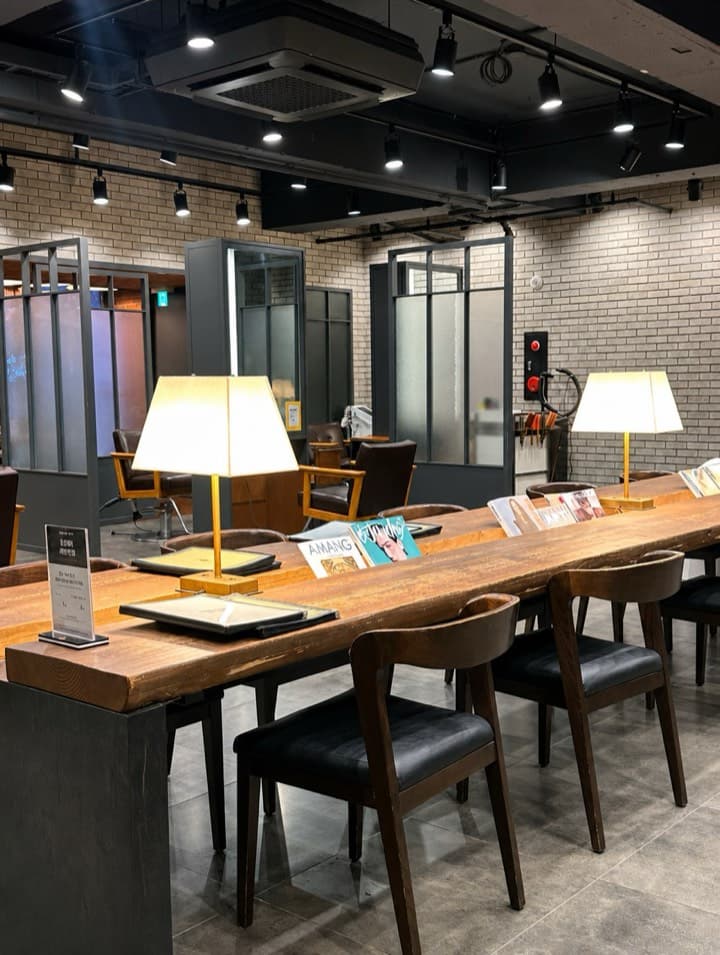
A good hair consultation is not a place to state what you want and hand it over, it is where you and a designer match your wishes against real conditions, your hair state, face shape, and how much time you spend styling. Preparing three photos, an accurate history, and your budget and time in advance, then confirming with three questions at the end, greatly reduces the chance of a misunderstood result.
This guide covers the real purpose of a consultation, what makes a good reference photo, the history you must disclose first, why stating your budget and time upfront is not a disadvantage, three questions to confirm what came up in the conversation, and how to take it well when a designer says something is not possible. The focus here is not on how to choose a salon, but on what to say once you are already in the chair.
1. A consultation is not for stating what you want, it is for matching conditions
Many people think of a consultation as a place to hand over the style they want and have it delivered. In reality, it is closer to a process of matching what you want against real conditions, your hair state, face shape, and how much time you spend on daily styling. When a designer asks questions after looking at your hair, that is not nitpicking, it is the process of finding a direction that is actually possible within those conditions.
So answering defensively, or shrinking the information you share because you only want to hear a certain answer, tends to throw off the result instead. A phrase like a stylish brown means something completely different to different people, so it does not communicate precisely. Narrowing it down to a specific tone with a photo or a concrete brightness reference gets across far more accurately.
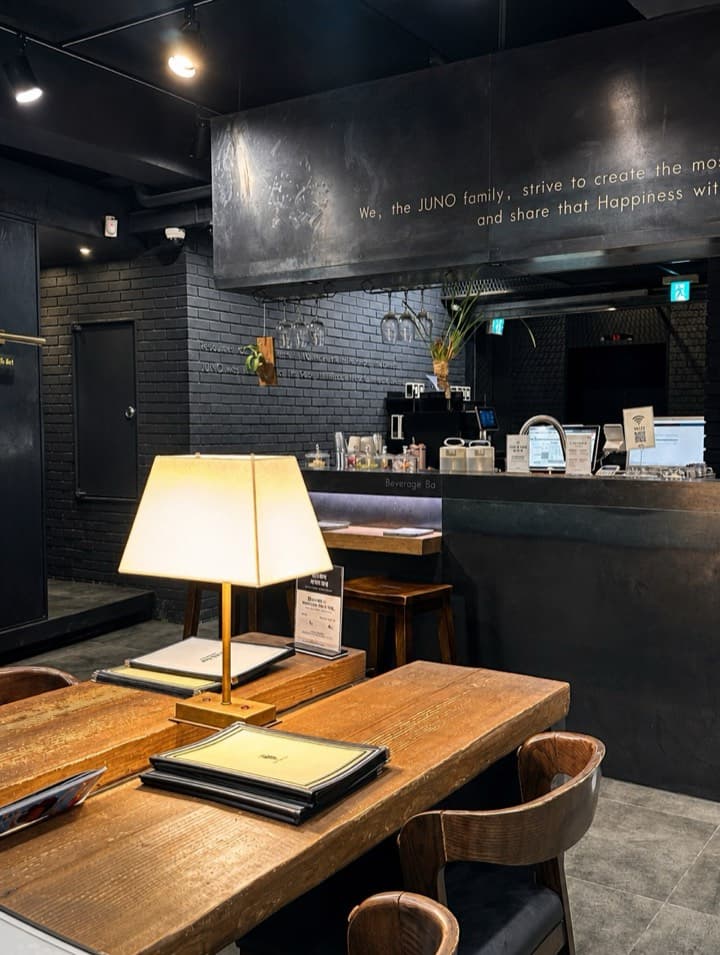
2. Bring three photos, with the right angle and lighting
Rather than a single photo, bringing three, front, side, and back, communicates the style you want more accurately. A front only photo does not show how the length or layers fall at the back, and without a side view it is hard to judge the angle where it meets your jawline. Photos taken in natural light also show the real color and texture more accurately.
Some photos should be avoided. Heavily edited photos, photos with dim lighting that distorts color, and photos that only show a freshly styled result with no everyday version, tend to create misunderstandings instead. If possible, choosing a photo of someone with similar hair length and thickness to yours helps a designer judge more accurately whether the look can be reproduced on your hair.
3. What you must disclose first, home color, bleach count, recent services, and scalp trouble
The first thing to mention in a consultation is whether you have colored your hair at home in the last 3 months, roughly how many times it has been bleached, and whether you have had a chemical service like a perm or straightening recently and when. This information directly affects the choice and strength of products used in today's service. Even if you do not remember the exact count, sharing a rough timeline and frequency already helps a designer judge a great deal.
Any scalp trouble or allergy history must also be disclosed in advance. A chemical service done without knowing this can irritate the scalp, and a color or perm done without knowing your bleach history can come out differently than expected or cause more damage. If scalp trouble keeps recurring at a level that needs medical attention, seeing a dermatologist first, separately from whether you get a service done, is the safer step.
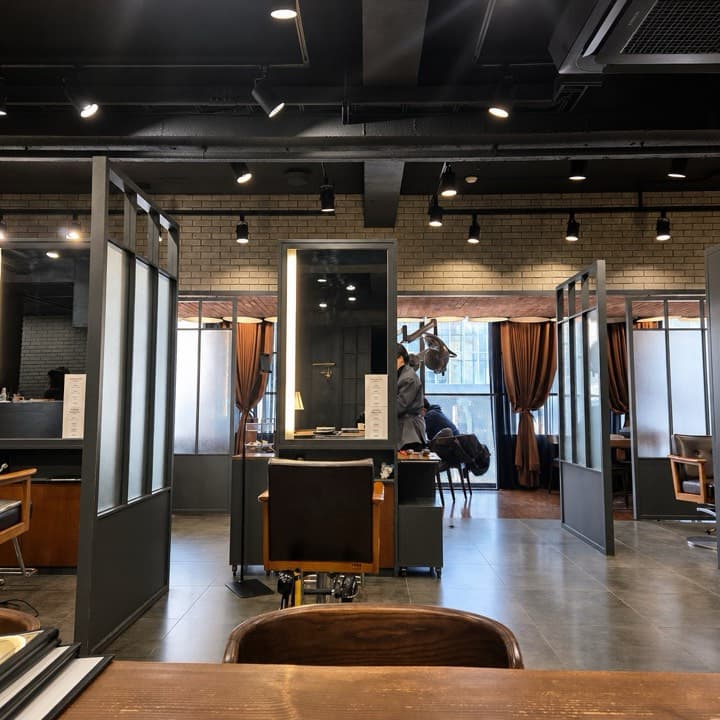
4. Naming your budget and time upfront is not a disadvantage
Many people hold back on mentioning their budget out of worry they will be overcharged. In practice, stating a budget range first makes it easier for a designer to suggest an alternative that fits within it, partial highlights instead of a full color, for example. Knowing roughly what different services cost, for instance that a women's design cut is 35,000 won and a women's classic perm is 158,000 won based on the Juno Hair Seomyeon Bujeon menu, makes it much easier to state a specific budget.
Time works the same way. Mentioning in advance that you need to leave by a certain time lets a designer adjust and suggest a service that can be finished within that window. If instead you say nothing and then rush the designer partway through, the finish gets hurried and the risk of an unsatisfying result goes up.
5. Three questions to confirm what came up in the consultation
Before a service starts, it is worth asking and confirming three things directly. First, exactly what result this service will produce today, second, how long it is expected to take, and third, what the aftercare looks like, meaning home care and the cycle for your next visit. A designer who answers all three clearly is a good sign the consultation is going well.
If the answers stay vague or keep changing, it is worth asking for one more round of confirmation before the service begins. Simply summarizing what was agreed on at the end of the consultation and checking it together with the designer already cuts down a great deal on misunderstandings after the service.
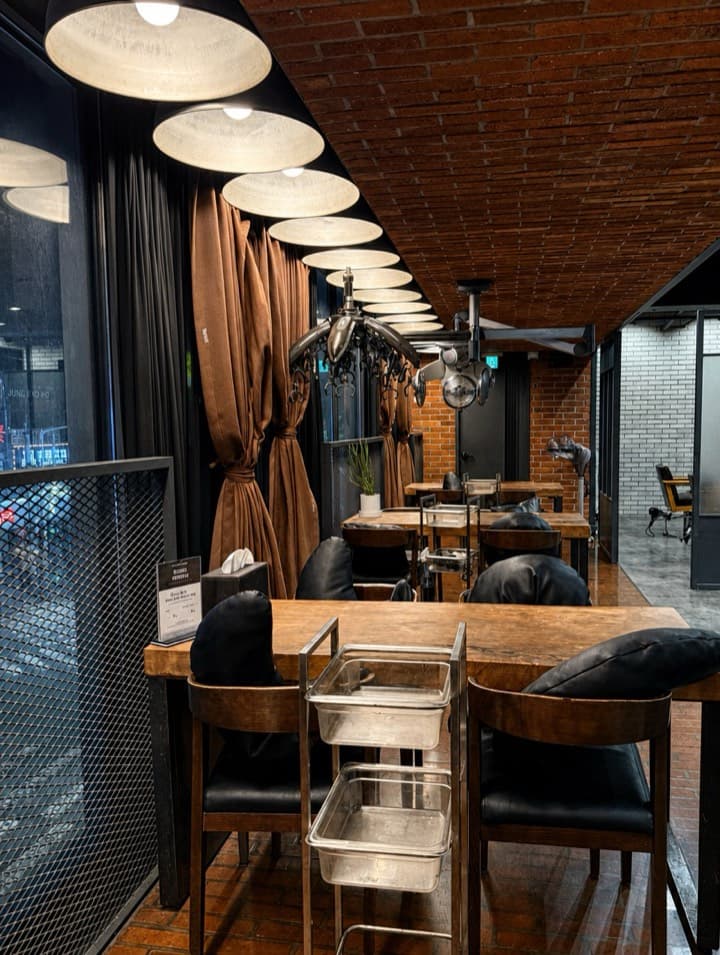
6. One honest truth, a consultation that tells you no is a good consultation
Wanting a particular style does not mean it can always be delivered exactly as pictured. There really are cases where today is not the right time, because of hair condition or previous service history. In these moments, a designer who is honest that it is not possible and offers an alternative, rather than pushing ahead anyway, is actually giving you a more trustworthy consultation.
Rather than feeling disappointed at hearing no, asking why and checking what alternative is possible right now, or what conditions would make it possible on a future visit, trying again after a certain period following a bleach service, for example, is what raises satisfaction over the long run.
Preparing for a good consultation in Seomyeon, get ready this way
Preparing three photos, an accurate history, and your budget and time in advance, then confirming with three questions at the end of the consultation, already changes the quality of the conversation a great deal. If a designer tells you something is not possible, take that as a sign you are getting an honest, good consultation.
How to get here and booking
Juno Hair Seomyeon Bujeon is at 3F Cheongyang Building, 40 Seomyeon-ro, Busanjin-gu, Busan. It is about a 5 minute walk from both Exit 7 and Exit 9 of Seomyeon Station, easy to reach by subway. Hours are open every day from 10:00 a.m. to 9:30 p.m. There are 6 designers, Won Suhyun, Jenny, Hyuk, Soyeon, Ina, and Yeji. For a consultation booking, call 051 809 9605.
If you are unsure how to approach a consultation, organize three photos, your history, and your budget and time first, then visit Juno Hair Seomyeon Bujeon. Six designers, each with their own specialty, will work through the consultation with you to match your conditions.
Frequently asked questions
What must I mention during a hair salon consultation?
You should always disclose whether you have colored your hair at home in the last 3 months, roughly how many times it has been bleached, whether you have had a perm or straightening recently and when, and any scalp trouble or allergy history. This information directly affects the choice and strength of products used today.
How many photos should I bring and how should I prepare them?
Three photos are ideal, one each of the front, side, and back. Photos taken in natural light without heavy editing convey the real color and texture better. A photo of someone with a similar hair length and thickness to yours also makes it easier to judge how well the look can be reproduced.
Isn't it a disadvantage to state my budget first?
No, it is not. Stating your budget range upfront makes it easier for a designer to suggest an option that fits within it. Knowing roughly what different services cost beforehand makes it easier to state a specific budget, which in turn makes the consultation more accurate.
What questions should I ask during the consultation?
It helps to ask exactly what result today's service will produce, how long it is expected to take, and what home care and the next visit cycle should look like afterward. A designer who answers these three clearly is a good sign the consultation is going well.
How should I mention it if I have scalp trouble?
It matters to describe when the trouble happened and what the symptoms were, and to say whether it is still recurring. Chemical services can irritate the scalp, so disclosing this beforehand is safer, and if the trouble keeps recurring at a level that needs medical attention, seeing a dermatologist first is the better step.
What should I do if the designer says it is not possible?
Rather than feeling disappointed, it helps to ask why and check what alternative is possible right now. A designer who is honest about limits due to your hair condition or service history, instead of pushing ahead anyway, is actually giving you a more trustworthy consultation.