2026-06-20
A Hair Salon Terms Glossary, Words Worth Knowing Before a Consultation in Seomyeon
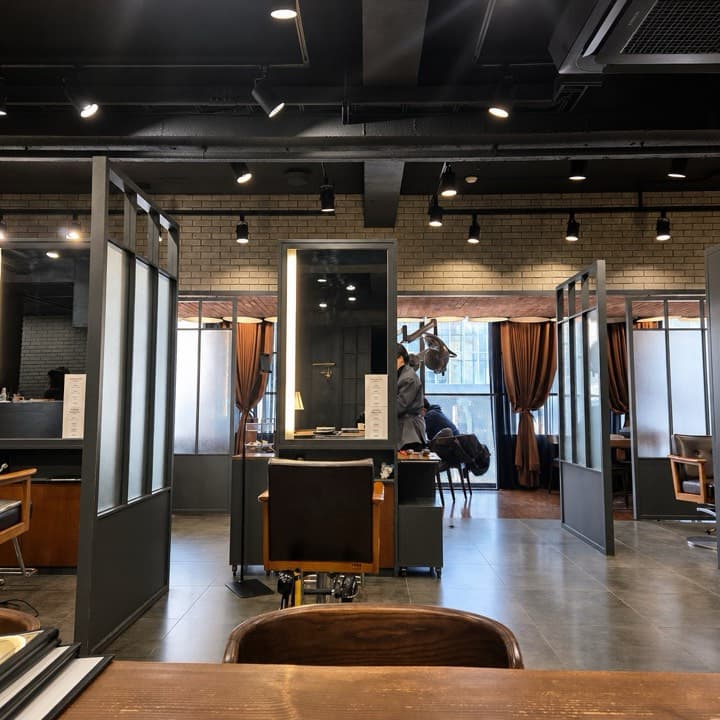
The length, cut, perm, and color terms that come up in a salon consultation each point to a specific state or method, and knowing what they mean lets you communicate the style you want far more precisely. A shoulder length cut is called a bob, a cut with steps in it is called a layered cut, each term has a range it refers to, though the exact usage can shift a little from salon to salon. This guide gathers the words you hear most often in a consultation, each with a note on when to actually use it.
This guide covers, in order, words for describing length, words related to cuts, words related to perms, words related to color, and words related to scalp and hair care. Rather than just listing terms, each one comes with a sentence on exactly when to use it, so you can put these to work at your very next consultation.
1. Terms for describing length
Length terms are usually anchored to a point on the body, like above the ear or the jawline. A short cut refers to a length that exposes the ears or shorter, while a bob refers to something between the jawline and the shoulder line. A medium length sits just past the shoulder, and a long length falls further below that. Instead of naming just the term, mentioning the body reference point, at the jawline or past the shoulder, helps a designer understand exactly what you mean.
If you only want a light trim, saying you want to keep it a bob is less useful than saying you want to cut off just an inch or two from where it is now. If you want a bigger change, describing the target length as a range, somewhere between medium and short, along with a reference photo, lets a designer suggest an exact length that accounts for your face shape and hair density.
2. Cut terms
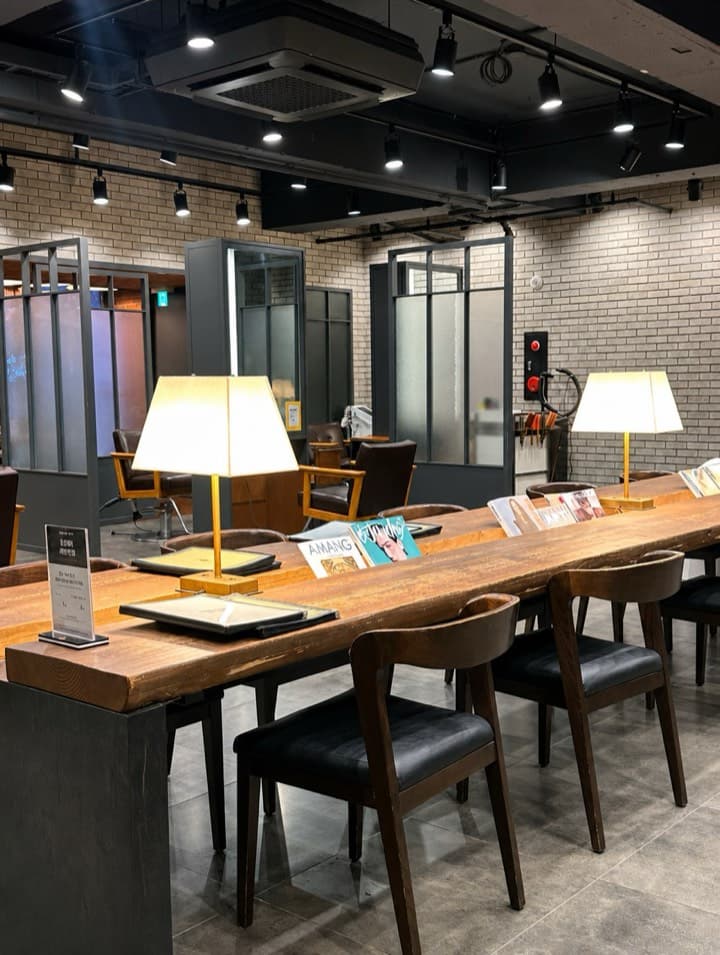
Cut terms mostly describe how layers are built in and how bangs are shaped. A layered cut steps the length at different points, and it is worth mentioning when you feel your hair looks flat or heavy and want a lighter impression. A hush cut also has layers, but the ends are left loose and a little undone, so it comes up when you want a relaxed, effortless finish. A shag cut is where the ends are cut in small, textured pieces, and it is worth naming when you want a thin, feathery texture.
For bangs, the words to know are full bangs, see through bangs, and side bangs. Full bangs cover the forehead thickly, and see through bangs are thinned out so a little forehead shows, which is the word to use if you want that lighter effect. Side bangs part naturally to either side like a curtain, worth mentioning if that is the look you want. Naming a body reference for bang length too, at the eyebrow or at the eye, cuts down on misunderstandings.
3. Perm terms
Perm terms split by curl size and purpose. A digital perm uses heated rods to set a defined wave, worth naming when you want that clear curl pattern. A setting perm uses rollers for a softer, more relaxed wave, the word to use when you want something gentler. A magic straight is for smoothing out frizz or curl entirely, while a volume magic is for calming just the puffy volume at the crown rather than straightening everything.
A root perm is the word for when you need volume just at the crown while keeping the rest of your length and curl as is, and a hippie perm is worth mentioning when you want small, loose, tousled looking curls. For curl size, saying whether you want bigger or smaller curls than what you have now communicates more clearly than naming rod sizes.
4. Color terms
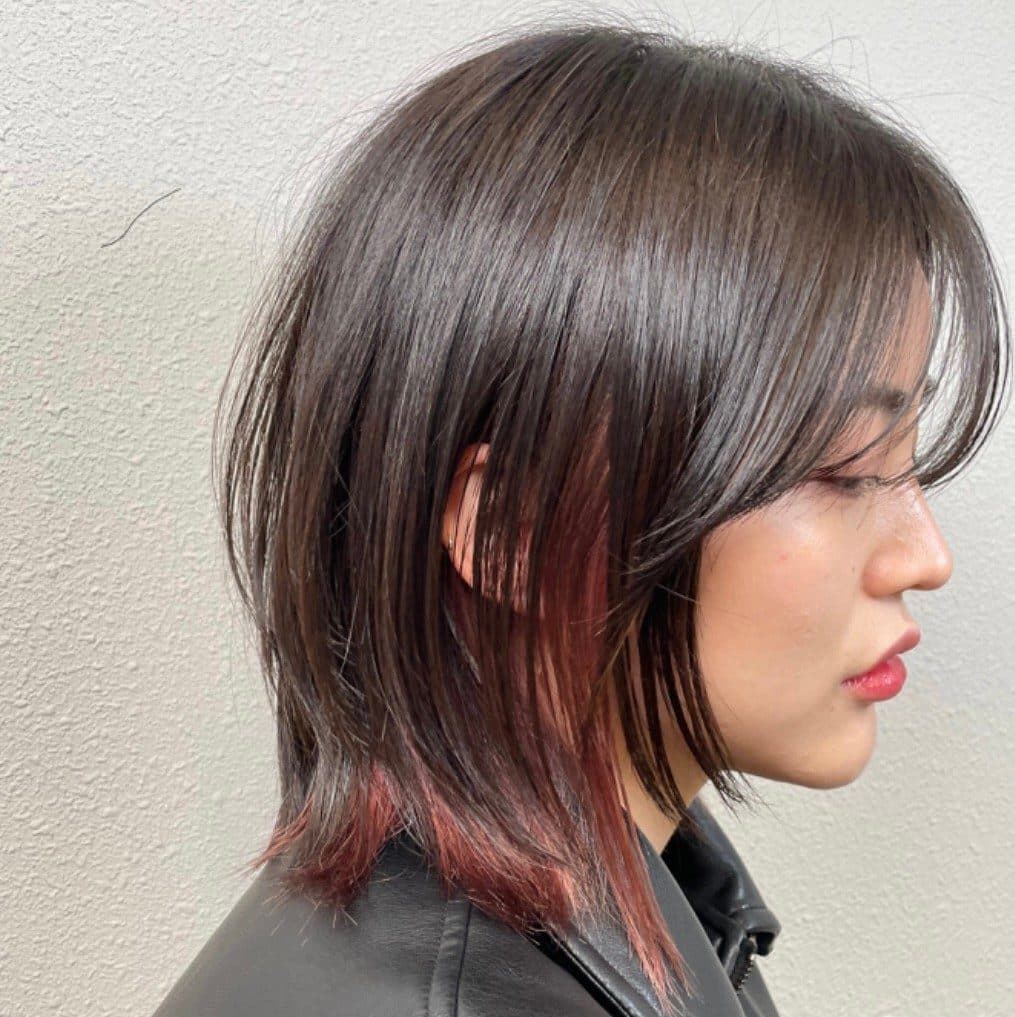
Color terms often describe where and in which direction a color is placed. Highlights are the word for adding strands lighter than your base, and lowlights are for adding darker strands to bring in depth. Balayage is what to say when you want a gradient that stays dark at the root and lightens naturally toward the ends, and color melting is for when you want that line blurred even further into one smooth flow.
A root touch up is the phrase for refreshing color only in the newly grown root section, while tone down means going darker than now and tone up means going lighter. Color names can vary a little from salon to salon, so even a beige brown at two different places may not land the same way, which is why bringing a reference photo along with the color name helps avoid misunderstandings.
5. Care and scalp terms
Care and scalp terms point to damage recovery and scalp condition. A clinic treatment restores nutrients and moisture to hair damaged by perm or color, and it is common to hear that a protein treatment suits hair that is breaking and splitting, while a moisture treatment suits hair that feels dry and rough. A head spa is the word for when you want a scalp massage combined with scalp care, and scaling is for when you want buildup and flaking cleared from the scalp.
A relaxing shampoo is the phrase for a wash service done with a comfortable scalp massage, priced at 20,000 won on the menu at Juno Hair Seomyeon Bujeon. If your scalp feels sensitive or symptoms like itching or flaking keep coming back, it is safer to see a dermatologist alongside any salon care rather than expecting salon care alone to resolve it.
6. An honest note, a photo and your real condition beat any term
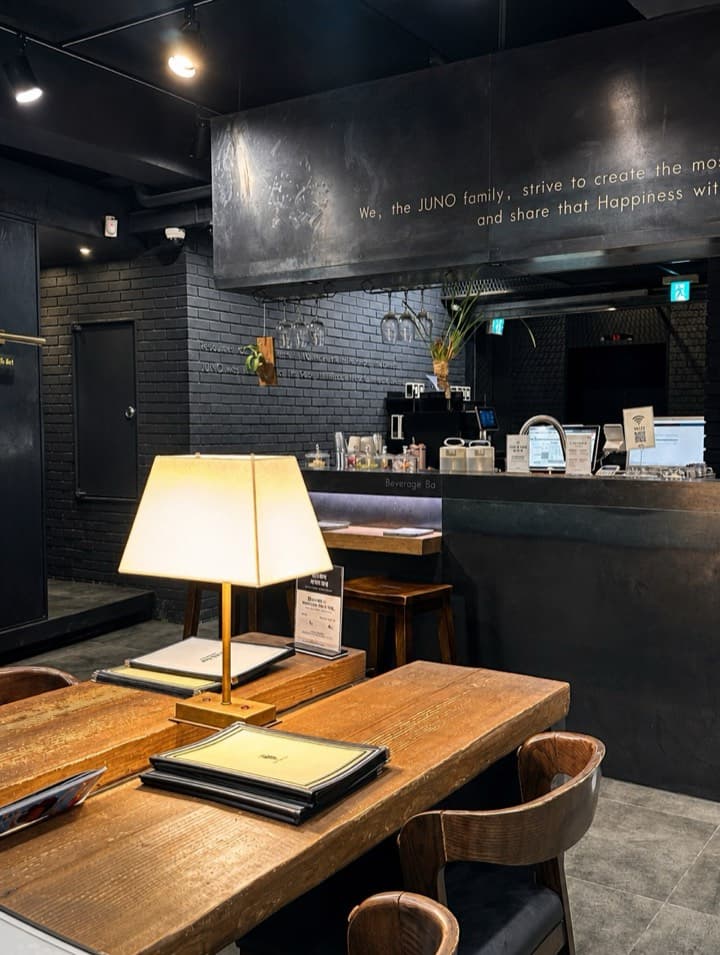
To be honest, even knowing the exact term does not guarantee the same usage everywhere, salons, and sometimes even different designers at the same salon, can use a word a little differently. What one place calls a hush cut, another might describe as a kind of layered cut. So it helps to treat these terms as a way to open the conversation, and confirm the actual outcome with a photo plus your real conditions, your current length, density, and level of damage.
Knowing the terms in this guide makes a designer's explanation far easier to follow, but keeping in mind that the wording is not identical at every salon helps you avoid misreading it.
Before your next consultation at a Seomyeon hair salon, start with these words
At your next appointment, try sorting out the length, cut, perm, color, and care you want using the terms from this guide first. If you are after something specific, a layered cut in Seomyeon for example, pairing a reference photo with how much layering and how much weight you want to keep lets you communicate with a designer far more precisely.
How to get here and booking
Juno Hair Seomyeon Bujeon is at 3F Cheongyang Building, 40 Seomyeon-ro, Busanjin-gu, Busan, about a 5 minute walk from both Exit 7 and Exit 9 of Seomyeon Station, easy to reach by subway. Hours are open every day from 10:00 a.m. to 9:30 p.m. There are six designers, Director Won Suhyun, Chief Stylist Jenny, Designer Soyeon, Designer Ina, Chief Stylist Hyuk, and Designer Yeji, each with a slightly different specialty, so you can pick based on the service you want. For consultations or booking, call 051 809 9605.
If you want to walk into a Seomyeon hair salon consultation prepared with the terms from this guide, feel free to ask us anything at Juno Hair Seomyeon Bujeon too. Even if the terms still feel confusing, showing a reference photo and your current hair is enough for a designer to explain each service you might need, one at a time.
Frequently asked questions
What is the difference between a layered cut and a hush cut?
A layered cut steps the length at different points, worth mentioning when your hair looks heavy and you want a lighter feel. A hush cut also has layers, but the ends are left loose and a bit undone for a more relaxed, tousled finish. Bringing a reference photo for either style makes the intended result far clearer.
What is the difference between volume magic and a regular magic straight?
A magic straight is the term for smoothing out curl or frizz across the whole head, while volume magic is for calming just the puffy volume at the crown rather than straightening everything. Deciding in advance whether you want the whole head or just a section done leads to a much more accurate service.
What do balayage and color melting mean?
Balayage refers to a gradient color that stays dark at the root and lightens naturally toward the ends. Color melting is for when you want that boundary blurred even further so the whole thing reads as one smooth tone. For both, bringing a reference photo helps convey the exact brightness and flow you want.
What is the difference between a clinic treatment and a head spa?
A clinic treatment restores nutrients and moisture to hair damaged by perm or color, and it splits by purpose into things like protein treatments and moisture treatments. A head spa is the word for when you want a scalp massage combined with scalp care. Mention a clinic treatment if the hair itself concerns you, and a head spa if it is the scalp.
How do the different bang styles break down?
Full bangs cover the forehead thickly, and see through bangs are thinned out so a little forehead shows through, the word to use for that lighter effect. Side bangs part naturally to either side like a curtain. Naming a body reference for length too, at the eyebrow or at the eye, reduces the chance of a mismatch.
Can I still get a consultation if I do not know salon terminology?
Yes, a consultation works fine even without knowing the terminology, a reference photo and your current hair are enough. That said, knowing the length, cut, perm, color, and care terms from this guide makes a designer's explanation far easier to follow, and lets you describe how much you want more specifically, which reduces the chance of a misunderstanding about the result.