2026-07-07
Hair Color Fade in Seomyeon, Why It Happens and How to Make It Last Longer

The color you get at the salon fades over time because the dye coating each strand slowly washes out with daily rinsing, sun exposure, and friction. Fade speed differs by shade, and bright, light tones tend to dull sooner than dark, calm ones. How you treat your hair in the first 48 hours after the service has a big say in how long the color lasts.
This guide walks through what actually happens in the hair when color fades, why different shades fade at different speeds, why the first 48 hours after your appointment matter so much, how water temperature, shampoo, and heat tools affect the color, and the options you have once the color has faded.
1. What actually happens when color fades
Coloring works by using a chemical agent to gently lift the hair's outer cuticle so dye can reach the cortex underneath. Once the service is done the cuticle closes back down, but not as tightly as it was before. Color fades because dye particles slip out through that gap as you shower, spend time in the sun, brush and tie your hair, and as the color oxidizes. Artificial dye rinses out more easily than the natural melanin your hair once held, so colored hair settles into a softer tone as time passes.
Fade speed varies by person, but as a rule, the more often you wash your hair, the faster the color rinses out. Compared with washing 3 to 4 times a week, washing every day tends to bring on visibly duller color about 1 to 2 weeks sooner. Because new hair keeps growing in at the root regardless of color, that section always looks darker, while the fading you actually notice shows up mostly in the mid lengths and ends that were colored.
2. Why some colors fade faster, particle size and brightness
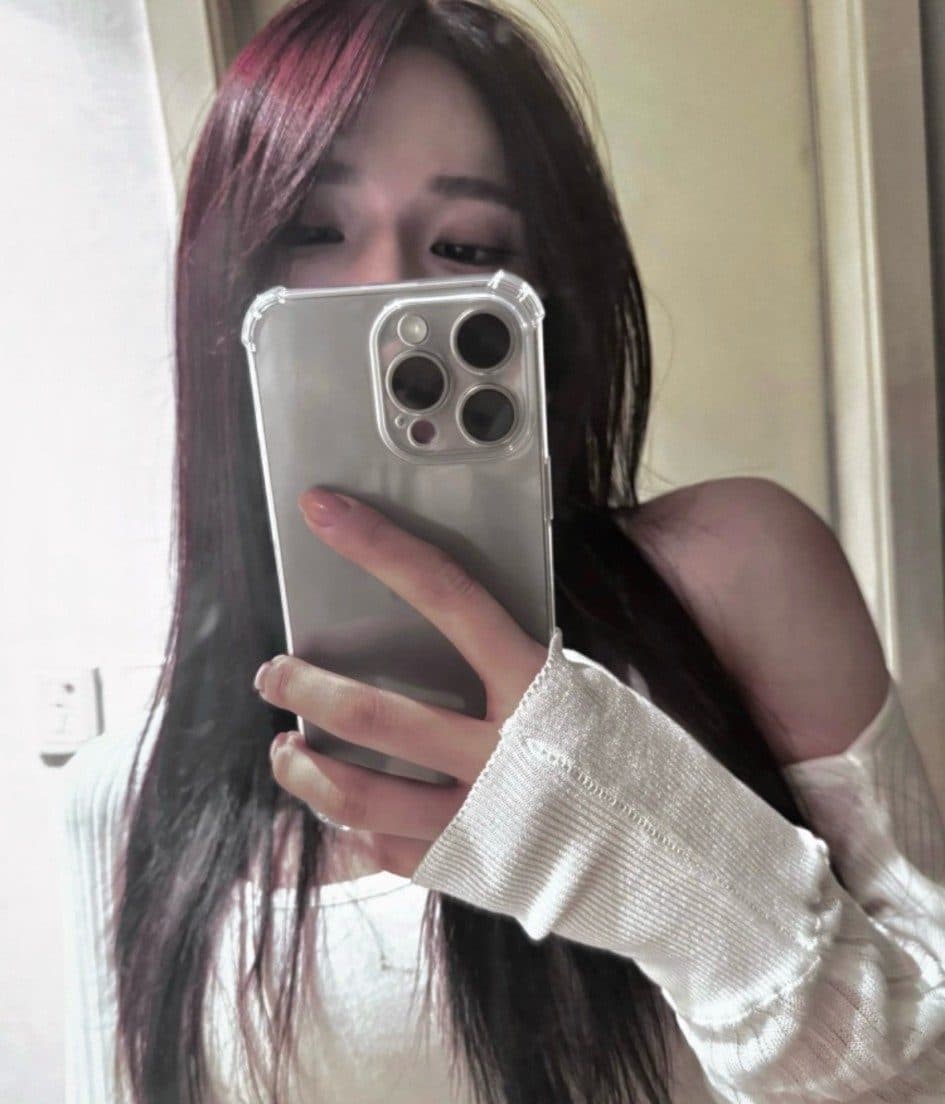
Fade speed depends on the size of the dye particles and the character of the color itself. Reds and oranges, which sit at shorter wavelengths, tend to have smaller particles that slip out through the cuticle gap sooner, so they often fade faster than other shades. Ash and violet tones, on the other hand, work by muting the natural yellow underneath, so even a small amount of fading lets that yellow undertone show through again. Brightness matters too. Lighter tones usually involve more bleaching, which leaves the cuticle more open, so they tend to fade faster than darker color.
That is why dark, calm browns or blacks show less change even 2 to 3 months after coloring, while bright, low saturation tones like ash or pastel can start to feel like a different color within just a few weeks. Factoring in how often you can realistically get a touch up helps you pick a tone you will be happier with. At Juno Hair Seomyeon Bujeon, women's color is priced at 135,000 won per the salon menu, and brighter tones that require bleaching vary by hair length and condition, so it is best confirmed during an in person consultation.
3. The first 48 hours matter the most
Right after coloring, your hair has not fully settled yet. The oxidation reaction that sets the color keeps going for a while even after you leave the chair, and the cuticle that was opened takes time to close back down. Washing during this window rinses out dye that has not settled in yet, so the same color can end up lasting very different lengths of time depending on this one habit. That is why waiting at least 48 hours, and ideally two to three days, before the first wash is considered the single most reliable way to protect new color.
During this window, it also helps to avoid heavy sweating, swimming, or getting caught in the rain, not just washing your hair. If you need to shower anyway, wearing a shower cap to keep water off your hair works well. When you do wash for the first time, rinsing gently with lukewarm water rather than scrubbing as usual helps the color last even longer.
4. How water temperature, shampoo, and heat tools affect color
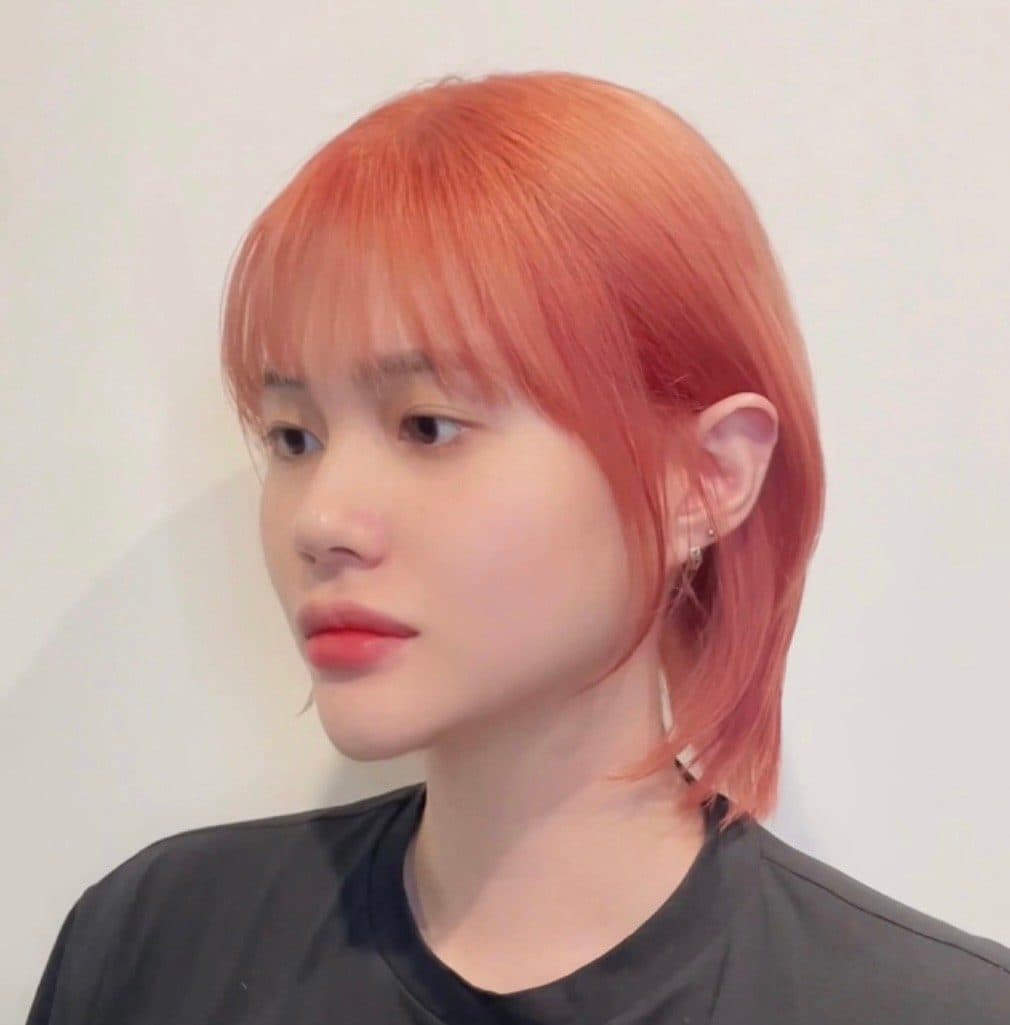
Water temperature has a direct effect on how fast color fades. Hot water reopens the cuticle and makes it easier for dye to escape, while lukewarm or cool water works in the opposite direction, helping the cuticle stay closed. Wash with lukewarm water, and finish with a slightly cool rinse so the cuticle closes down and holds onto a bit more color. Shampoo matters too. A color safe or mildly acidic shampoo slows fading more than a strong, everyday cleansing shampoo does.
Heat tools like flat irons and hair dryers also speed up fading. High heat damages the cuticle and exposes the cortex, where the dye sits, more easily. When you do use heat, keeping the temperature around 160 to 180 degrees Celsius and applying a heat protectant beforehand cuts down on both color loss and damage to the hair itself. Simply air drying more often, or finishing with a dryer on a lower setting instead of a flat iron every day, can change how long the color holds.
5. Your options once the color has faded
Noticeably duller color does not automatically mean you need a full recolor. If the tone itself is fine and you just want to knock back a dull or brassy cast, mixing in a purple or ash toning shampoo once or twice a week is often enough to freshen the tone back up. If the line between new growth and existing color has not opened up too much yet, touching up just the ends or the section that faded the most, rather than doing a full recolor, is often enough.
If the root has grown in enough that the line is clearly visible, or the overall tone feels quite different from when you started, that is usually the point to consider a full recolor rather than a partial touch up. Which option is right depends on your current hair condition and the tone you want, so deciding together with your designer, whether to ride it out with toning shampoo, touch up part of it, or redo it fully, tends to bring the best result.

6. An honest note, no color stays exactly the same
To be honest, no color stays exactly as it was on day one, no matter how well you care for it. Hair keeps growing and dye keeps washing out a little at a time, however carefully you manage it. What good care actually does is slow the fade and shape the direction it fades in, not stop fading altogether. That is why it makes sense to think about what the color will look like as it fades, right from the moment you choose it. Knowing in advance that ash tones can show a yellowish cast, or that brighter tones may need bleaching, means you will not be caught off guard once the color starts to fade, and can plan the next step calmly.
Getting ready for color that fades gracefully in Seomyeon
When you bring a photo of the tone you want to your consultation, it helps to also ask how quickly that particular color tends to fade and what it looks like as it does. At Juno Hair Seomyeon Bujeon, the designer looks at both your hair condition and the tone you want, and advises on a color and care routine that holds up well over time.
How to get here and booking
Juno Hair Seomyeon Bujeon is at 3F Cheongyang Building, 40 Seomyeon-ro, Busanjin-gu, Busan. It is about a 5 minute walk from both Exit 7 and Exit 9 of Seomyeon Station, easy to reach by subway. Hours are open every day from 10:00 a.m. to 9:30 p.m. There are 6 designers, Won Suhyun, Jenny, Soyeon, Ina, Hyuk, and Yeji. Color consultations are mainly handled by designer Soyeon and Chief Stylist Jenny. For a color consultation or booking, call 051 809 9605.
If color fading quickly has been on your mind in Seomyeon, Busan, come by Juno Hair Seomyeon Bujeon for advice matched to your hair and the tone you want. It is a Seomyeon hair salon people return to for color services and color care.
Frequently asked questions
When does hair color usually start to fade?
Right after the service, the cuticle gradually closes and the color settles in, and washing your hair during this window makes it fade faster. Color generally starts to stabilize once the first 48 hours have passed, and after that, how often you wash and the water temperature you use change the fade speed. Brighter tones tend to take longer to settle.
Why do some colors fade faster than others?
Fade speed depends on the size of the dye particles and the nature of the color itself. Colors like red or orange, which have smaller particles, tend to fade out sooner, while ash or violet tones can let the yellow underneath show through with even a little fading. Lighter tones usually involve more bleaching, which leaves the cuticle more open, so they tend to fade faster than dark colors.
How many days after coloring should I wash my hair?
It is best to wait at least 48 hours, and ideally two to three days, before washing. The oxidation reaction keeps going and the cuticle closes gradually during this time, so washing too soon rinses out dye that has not settled in yet. If you must wash, starting with a gentle rinse using lukewarm water is the safer approach.
Do I have to recolor once the color fades?
Not necessarily. If the tone itself is fine and just feels a bit dull, mixing in a purple or toning shampoo is often enough to freshen it back up. If the regrowth line has not opened up much, touching up just the ends is another option, and a full recolor becomes worth considering once the line is clear or the tone has changed a lot.
How much does women's color cost at Juno Hair Seomyeon Bujeon?
Women's color is priced at 135,000 won per the salon menu at Juno Hair Seomyeon Bujeon. Brighter tones that need bleaching or an added clinic treatment vary by hair length and condition, so they are best confirmed during an in person consultation. For inquiries call 051 809 9605.
How do I care for hair color to make it last longer?
Skip washing for the first 48 hours, and rinse with lukewarm or cool water afterward. Use a color safe or mildly acidic shampoo, and mixing in a purple shampoo occasionally helps with ash or beige tones. Lowering the temperature on flat irons or dryers and applying a heat protectant first reduces both color fade and damage to the hair.