2026-07-30
A Seomyeon Hair Extensions Guide, From Types to Care
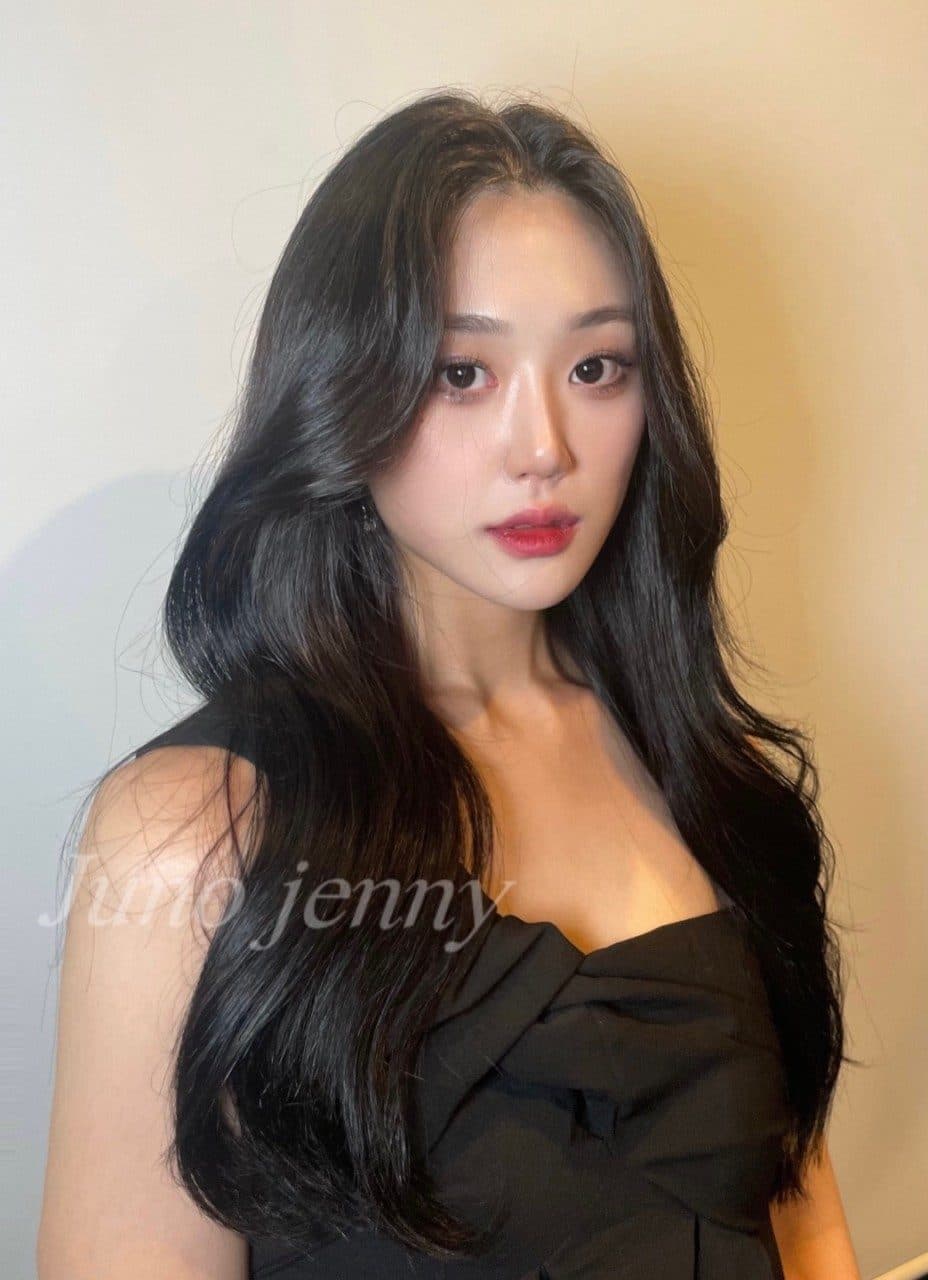
Hair extensions attach extra hair or synthetic strands to your natural hair to add length or thickness. The main methods are a clip in type you attach and remove like a clasp, a loop type fixed with small rings, and a tape in type attached with adhesive tape, and each differs a little in purpose, how long it lasts, and how you care for it. Before going ahead, the first step is checking whether your own hair can handle the added weight.
People who want more length but cannot grow their hair out for other reasons, or whose crown or sides look thin, often look into hair extensions. This guide walks through what concerns extensions can solve, how the methods differ, how to check whether your hair can take them, how long they last and how often to redo them, washing and care at home, and one honest downside.
1. What extensions solve, length and thickness
The most common reason is length. If you are growing your hair out slowly, or need a certain length by a fixed date for an event or a shoot, extensions add length right away. There is often a dilemma where damaged ends need a trim, which shortens the hair, and in that case some people trim the ends first and then add extensions to make up the length.
The other common reason is thickness. If a flat crown makes the parting look wide, or the sides look thin and give a sparse overall impression, adding strands only to that area fills out the volume. Since adding length and adding thickness need different strand counts and placements, it helps to be clear at the consultation about which concern matters more to you.
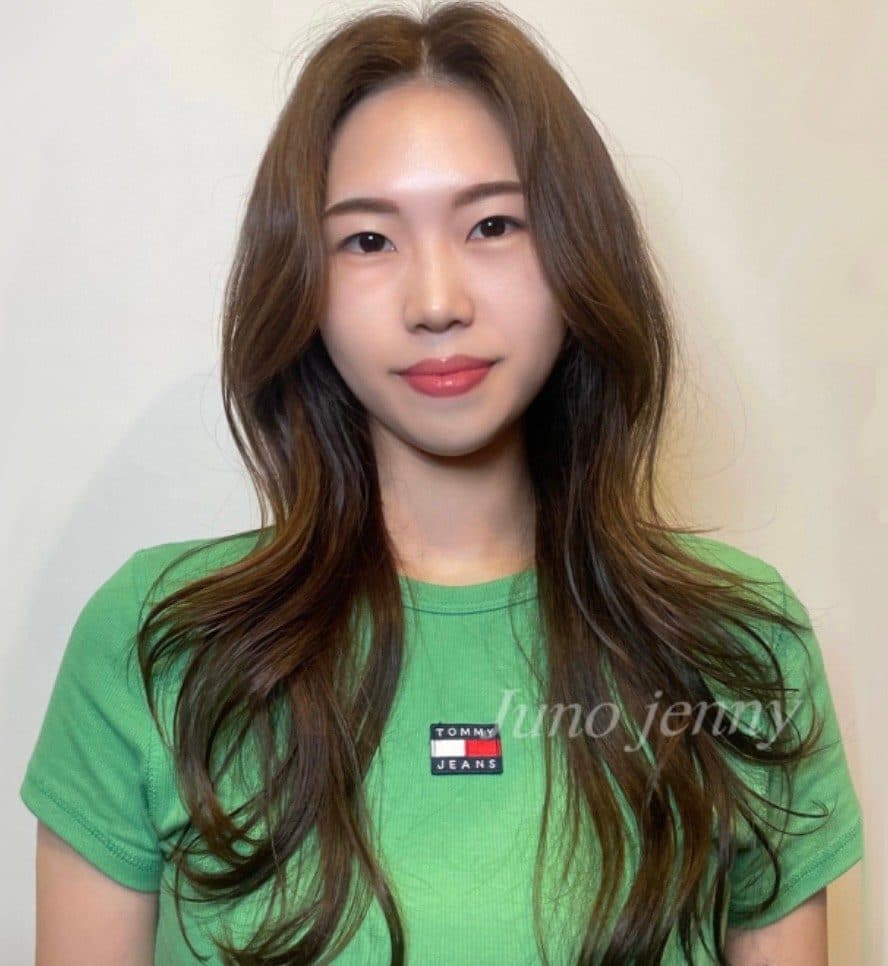
2. How the methods differ and how to choose
The clip in method uses small clasped pieces that you insert and remove at the spot you want. With no glue or rings, you can attach and take it off any given day, so it carries little commitment for a special occasion or for someone trying extensions for the first time. That said, attaching and removing it yourself daily takes practice, and the hold can loosen if you are very active.
Loop and tape methods fix strands to your natural hair with small rings or tape and stay attached for several weeks or longer. If you want a more natural, longer lasting result, these methods fit better, but both attaching and removing them require a professional. Whichever method you consider, your hair thickness, scalp condition, and how much time you can give to upkeep all change which one fits, so it helps to describe your situation clearly at the consultation.
3. Checking whether your hair can take it
Extensions add weight to your natural hair, so checking your hair and scalp condition comes first. If your hair is fine, weak, or already quite damaged, it may struggle to carry the weight of the added strands for long, and you may feel tension at the roots or notice the scalp becoming sensitive. It is also best to avoid attaching too many strands to an area where your own hair is extremely thin.
Hair that has been bleached, colored, or permed repeatedly can also carry a bigger load once extensions are added, so mention that history to whoever will do the service. Whether it is possible, and how many strands and where, is ultimately something the designer there decides after feeling your hair and scalp in person, so it is more accurate to get a consultation at a salon that specializes in extensions rather than booking from photos or a description alone.
4. How long they last and when to redo them
How long they last depends on the method. The clip in type has no fixed duration in the usual sense, since it is closer to something you use whenever you need it. Loop and tape methods are typically worn continuously for a few weeks, and as your hair grows and the attachment point drifts farther from the scalp, it becomes time to adjust or redo them.
There are two main signs for judging when to redo them. Whether the attachment point feels loose and shifts around, and whether a visible gap has opened between your roots and where the extension starts. If either sign shows up, it is better for your hair's health to go back to the salon that did them and adjust the placement or discuss a redo, rather than pushing to keep it as is.
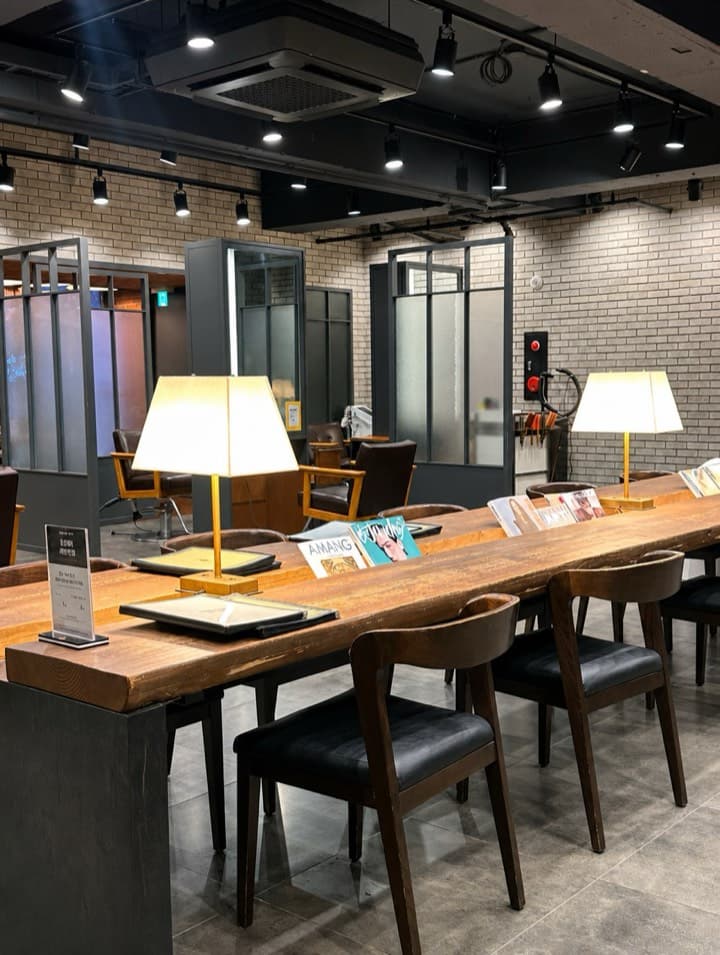
5. Washing and care at home, the hair extension blow dry
When washing with extensions on, it matters not to rub hard at the attachment points. Shampoo mostly the scalp gently, and at the attachment points it is safer to rinse by lightly running your fingers through rather than scrubbing. Always brush starting from the ends and work upward to release tangles, so the attachment points do not take unnecessary force. At night, a loose braid or tie keeps the roots from being pressed or tangled.
Extensions take longer to wash and dry than natural hair alone, and not drying fully around the attachment points can lead to odor or tangling. If drying it yourself feels like too much, having a salon do just the blow dry is one option. Juno Hair Seomyeon Bujeon also offers a hair extension blow dry at 70,000 won on the menu for guests who already have extensions. It is a blow dry only menu, not the extension service.

6. One honest downside, weight and marks
To be honest, extensions carry some burden along with the convenience. More strands mean more overall weight, which can leave the neck and scalp feeling tired, and it is common for the first few days to feel an unfamiliar tug at the attachment points. Spots held for a long time by loops or tape can leave marks or tangle more easily, so they need daily attention. Neglecting care can let buildup or knots form at the attachment points, which can hurt your hair's health rather than help it, so it is worth honestly asking yourself whether you have the daily time for it before you commit.
Getting ready for hair extensions in Seomyeon
Bringing a photo of the length or volume you want speeds up the consultation, but the actual number of strands, placement, and method can only be set accurately once someone checks your hair and scalp in person. When choosing where to get extensions, look for a place that guides you through removal as carefully as attachment and explains the upkeep and redo schedule in advance. If you would rather gain length without extensions, growing it out while managing the layer direction is another route worth weighing first.
How to get here and booking
Juno Hair Seomyeon Bujeon is at 3F Cheongyang Building, 40 Seomyeon-ro, Busanjin-gu, Busan. It is about a 5 minute walk from both Exit 7 and Exit 9 of Seomyeon Station, easy to reach by subway. Hours are open every day from 10:00 a.m. to 9:30 p.m. There are six designers, Director Won Suhyun, Chief Stylist Jenny, Chief Stylist Hyuk, Designer Soyeon, Designer Ina, and Designer Yeji. Long hair styling is mainly handled by Chief Stylist Jenny. To say it once more, the extension service itself is not offered here, and a hair extension blow dry for guests who already have extensions is 70,000 won on the menu. For a hair extension blow dry, a cut, or a perm, call 051 809 9605.
If you already have extensions, a hair extension blow dry at Juno Hair Seomyeon Bujeon dries them properly down to the attachment points and sets the style, at 70,000 won on the menu. If you would rather build length or volume without extensions, a trim that manages the layer direction as you grow it out, or a perm that lifts the roots, may suit you better, and a designer can look at your hair and talk through which way makes more sense. It is a Seomyeon hair salon people return to for long hair styling.
Frequently asked questions
Can I get hair extensions done at Juno Hair Seomyeon Bujeon?
No, Juno Hair Seomyeon Bujeon does not do the hair extension service itself. What is on the menu is a hair extension blow dry at 70,000 won for guests who already have extensions. If you want the extension service, it is best to look for a salon that specializes in it.
What concerns can hair extensions solve?
They are mainly used for adding length or filling out a crown or sides that look thin. Whether you are growing your hair out slowly, need extra length quickly for an event, or want volume added only in a specific area, the method and placement are chosen differently for each.
How do hair extension methods differ?
The clip in method attaches and removes without glue or rings, so it carries less commitment, while loop and tape methods stay attached for weeks at a time and hold a more natural, longer lasting look. Which one fits depends on how active you are and how much time you can give to upkeep.
Can my hair take hair extensions?
If hair is fine, weak, or already quite damaged, it can struggle to carry the added weight for long and the scalp may become sensitive. Hair that has been bleached, colored, or permed repeatedly should also be mentioned to whoever will do the service. Whether it is possible and how many strands to add is decided by the designer performing it after examining your hair and scalp in person.
How long do hair extensions last?
The clip in method has no fixed duration since you use it whenever needed. Loop and tape methods are typically worn for a few weeks, and once the attachment feels loose or a visible gap opens up at the roots, it is time to consider an adjustment or a redo.
How much does a hair extension blow dry cost?
By the menu at Juno Hair Seomyeon Bujeon, a hair extension blow dry is 70,000 won. It is for guests who already have extensions and want them dried properly down to the attachment points and styled. The extension service itself is not offered here, and its price varies by method and number of strands, so check with the salon that performs it.
Do hair extensions put strain on your hair?
The added strands increase the overall weight on your head, which can put strain on the scalp, and spots held by loops or tape for a long time can leave marks or tangle easily. Neglecting care can let buildup collect at the attachment points, so daily attention is needed.