2026-06-15
A Foreigner's Guide to Men's Haircuts in Busan, Barbershops and Salons in Seomyeon
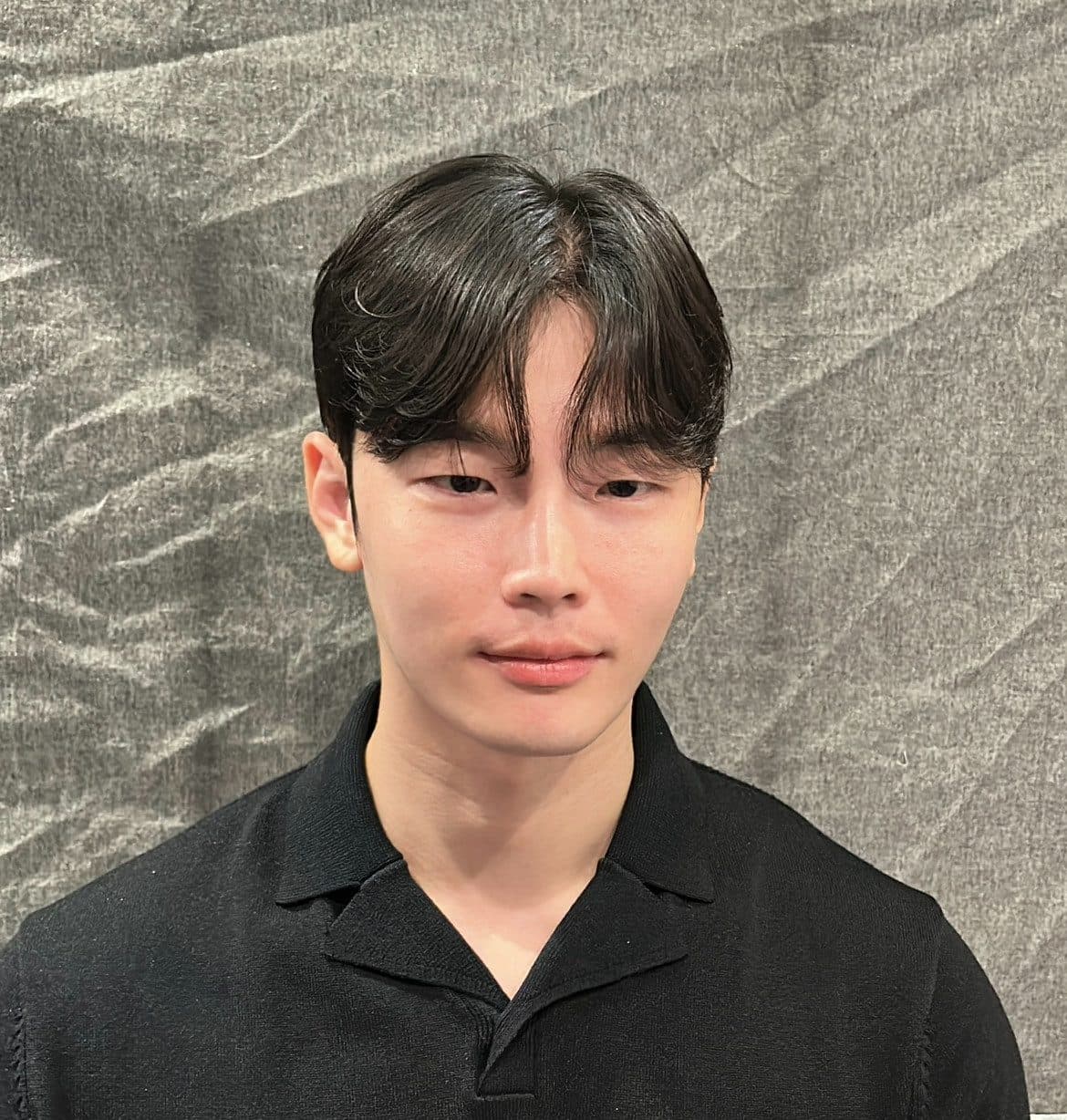
The most important thing when a foreign man gets a haircut in Seomyeon, Busan is describing the length you want clearly, whether through a number, a finger gap, or a photo. A Korean barbershop tends to be strong at clipper cuts and tidying the sides, while a hair salon covers styling and a wider range of cutting techniques together. At Juno Hair Seomyeon Bujeon, according to the salon menu, a men's design cut is 35,000 won and a men's down cut is 75,000 won.
This guide walks through the choices and communication methods a foreign man runs into when getting a haircut in Seomyeon, Busan. It covers how Korean salons differ from barbershops, three ways to communicate length, which angles matter when you prepare photos, booking and timing, payment, a sense of cost and how to read menu names, and one honest note that asking for a bit more length on your first visit is the safer move.
1. Korean salons and barbershops start from different places
In Korea, a barbershop is traditionally strong at clipper cuts, tidying the sides and back, and shaving. It tends to be quick and precise at short, tidy styles and fades, where the sides are cut short and the top is left longer. A hair salon, on the other hand, often handles perms and color alongside cuts and blow dry styling, and a designer usually spends more time on a consultation that looks at your face shape and hair texture together to plan the whole style. Whichever you choose, it helps to start with a short consultation to align on direction first.
Clipper numbers work to some extent at either type of place. Numbers like a number one, three, or six guard are an internationally used length standard, so they are understood in Korea too, but the spacing between blades can differ slightly by brand or shop, so getting the exact same length every time is not guaranteed. For a style where a delicate gradient matters, like a fade, bringing a photo alongside the number reduces misunderstanding. Whichever place you choose, adding one photo on top of a clipper number makes the communication far more reliable.
2. Three ways to communicate length, number, finger, and photo
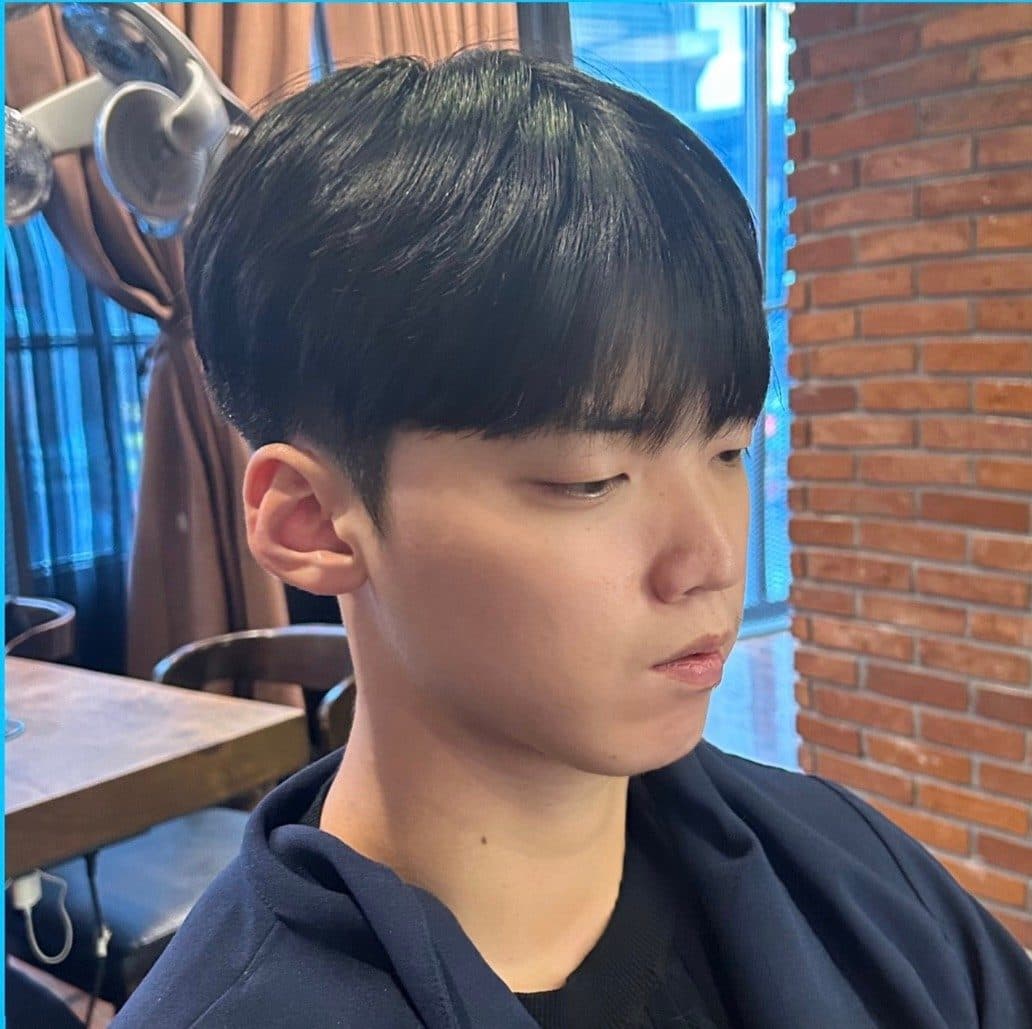
The most common method is a clipper number. For sides or the back you want cut short, saying a number like three or six is quickly understood. The second method is your fingers. For lengths that need scissors, like the top, pinching the amount you want to take off between your fingers communicates it more intuitively than a number alone. A designer usually holds the hair and checks against that gap as they work, which leaves less room for misunderstanding.
The third method, and the most accurate one, is a photo. Showing one or two photos of the style you want, plus one photo of a style you want to avoid, communicates length, texture, and even the direction of the part all at once. Combining all three is safer still. For example, showing a photo for the overall feel, giving a number for the sides, and pinching a finger gap for the top length keeps the result close to what you wanted even if the conversation is not perfect.
3. Photos matter most for the sides and back
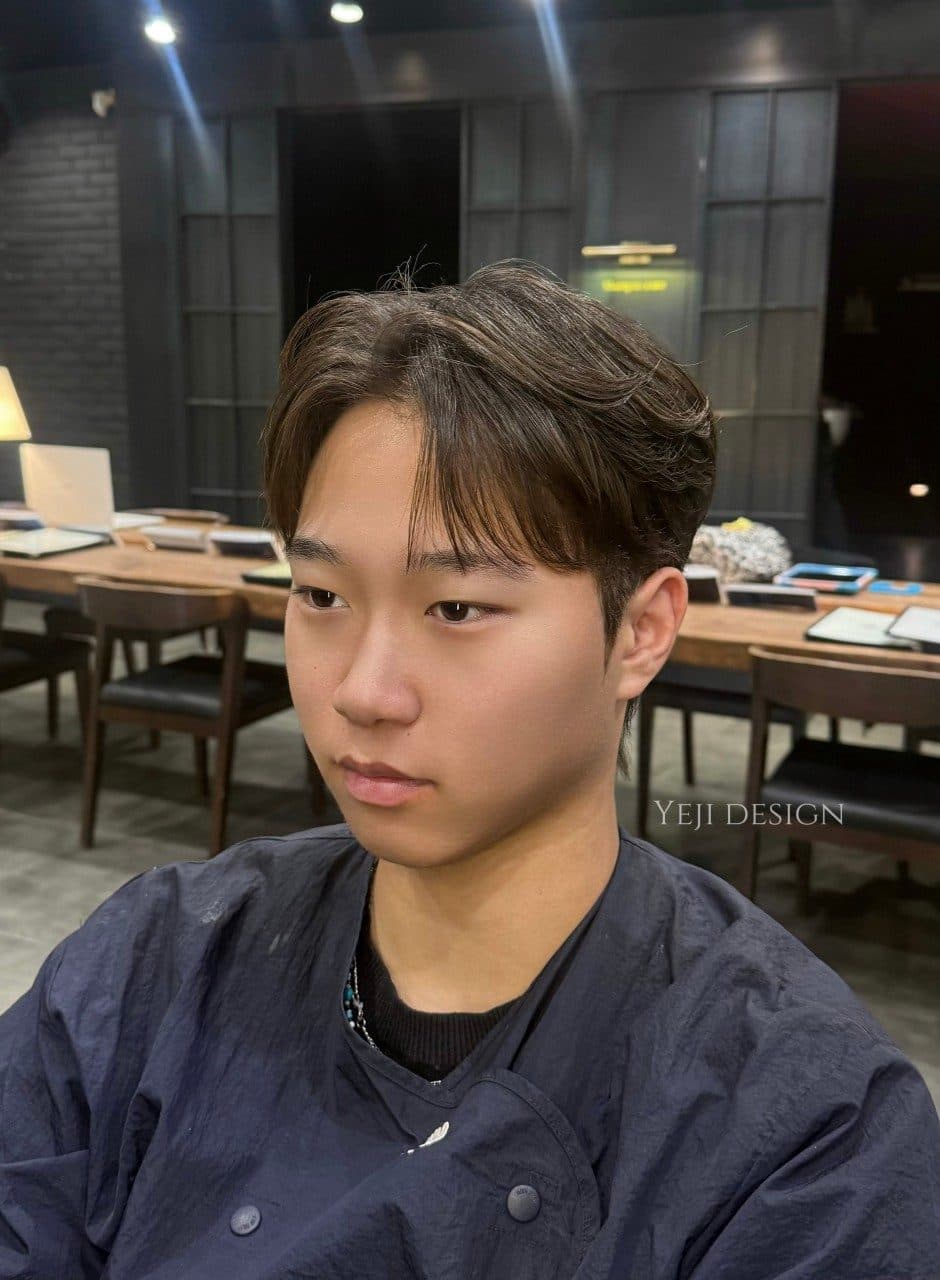
Many people only bring a front facing photo, but the information that actually matters most for a cut is on the sides and back. How short the sides get above the ear, how the back and neckline are finished, and where a fade starts to gradient, none of that comes through in a front photo alone. If possible, bringing photos from the front, side, and back gives the designer a much clearer plan to work from.
This matters even more for fades or two block styles, where the line between the sides and the back defines the look. Hair with strong natural curl can flare or look puffier at the same length, so it helps to think ahead about whether your hair texture matches the model in the photo. It cannot be assumed that every hair type and style turns out equally well, so for fade heavy styles or hair with strong curl, showing the reference photo during an in person consultation and confirming what is realistic is the safer approach.
4. Booking, timing, and payment
A men's cut usually takes about 30 minutes to an hour. A service like a down cut, which thins the sides to settle them down, adds a bit more time on top of that. A walk in is sometimes possible, but if you want a specific designer or you are coming during a busy time like the weekend, booking ahead by phone or online cuts down on the wait. It helps to mention the style you want and your rough arrival time when you book.
Most salons and barbershops accept both card and cash, and there is no separate tipping culture after the service. It is rare for a foreign card to be declined, but if you are worried, you can ask about payment methods when you book. Confirming the exact price and the time it will take before the service starts makes it easier to plan the rest of your day.
5. A sense of cost, and reading menu names
Menus at Korean salons often use a descriptive word in front of cut to mark the type. A design cut refers to a basic cut that includes styling, while a down cut focuses on settling sides and a front that lift or stick out. A cut handled by a director or a chief stylist level designer is usually marked with that title in front of the name and priced differently.
According to the salon menu at Juno Hair Seomyeon Bujeon, a men's design cut is 35,000 won, a men's down cut is 75,000 won, and a director's cut is 45,000 won. A down cut costs more than a design cut because settling the density and directing the flow takes more time and hand work. If a menu name feels unfamiliar, it helps to ask staff how each cut differs and pick the one that fits your hair condition.
6. An honest note, asking for a bit more length on your first visit is safer
It cannot be assumed that every hair type and every style can be handled equally well. Hair with very strong natural curl can flare or look puffier at the same length, and a style where a delicate gradient matters, like a fade, can turn out differently depending on how familiar the designer is with that specific look. Especially at a salon you are visiting for the first time, checking with photos in advance has a big effect on how satisfied you end up being.
For this reason, asking for a slightly longer length or a bigger clipper number than you first thought is the safer move on a first visit. Hair cut short cannot be undone that same day, but hair left a little longer can always be trimmed shorter on your next visit. If you want a fade heavy style or an unusual gradient, showing the reference photo in advance and asking whether the salon has done a similar style before is another way to check.
Getting ready for a men's cut in Seomyeon
In short, preparing a clipper number, a finger gap, and a photo together, plus getting into the habit of bringing side and back angle photos, makes communicating about a men's cut in Seomyeon, Busan much easier. For hair with strong curl or a fade heavy style, going through a consultation that checks with photos in advance is the most reliable path to a result you are happy with.
How to get here and book
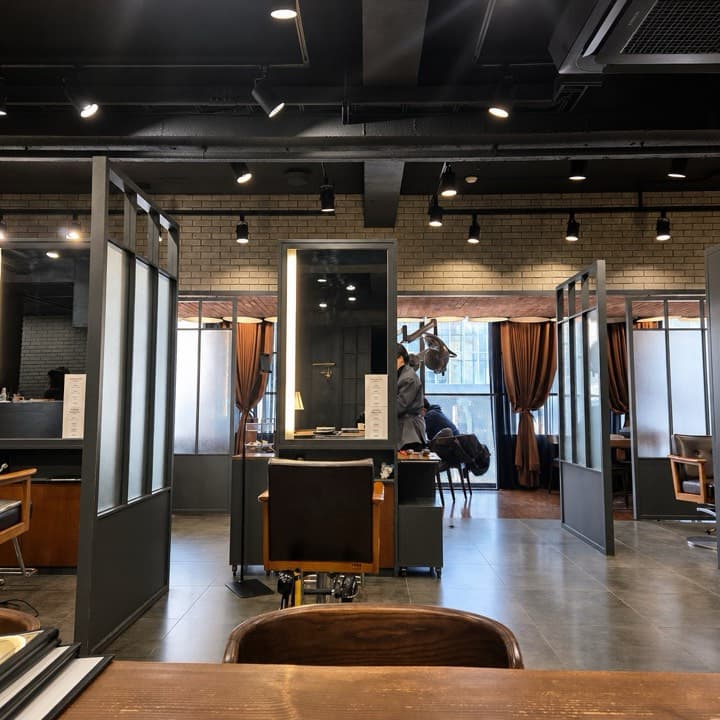
Juno Hair Seomyeon Bujeon is at 3F Cheongyang Building, 40 Seomyeon-ro, Busanjin-gu, Busan. It is about a 5 minute walk from both Exit 7 and Exit 9 of Seomyeon Station, easy to reach by subway. If you come by car, the nearby Hwangje Parking is available, and parking support depends on the service amount. Hours are open every day from 10:00 a.m. to 9:30 p.m. There are six designers, Director Won Suhyun, Chief Stylist Jenny, Chief Stylist Hyuk, Designer Soyeon, Designer Ina, and Designer Yeji. Men's cuts, down cuts, and scalp care are known for Chief Stylist Hyuk's signature refresh scalp down cut menu. For inquiries and booking, call 051 809 9605.
If you are a foreign visitor getting a men's cut in Seomyeon, Busan for the first time, prepare a clipper number, a finger gap, and a photo together, and start by asking for a bit more length. Adjusting toward your ideal length on the next visit cuts down on trial and error.
Frequently asked questions
What's the difference between a Korean barbershop and a salon for a men's cut?
A barbershop is strong at clipper cuts, tidying the sides and back, and shaving, and is quick at short, tidy styles. A salon usually handles perms, color, and blow dry styling alongside cuts, and spends more time on a consultation that looks at face shape and hair texture. Clipper numbers work at either place to some extent, but for a delicate style like a fade, bringing a photo along is the safer choice.
Do clipper numbers work when I say them?
Yes, they work to some extent. Clipper numbers are an internationally used length standard, so they are understood in Korea too, but the blade spacing can differ slightly by brand or shop. For a style where a gradient matters, like a fade, bringing a photo alongside the number reduces misunderstanding.
If I bring photos, which angles matter most?
The sides and back matter more than the front. How short the sides get above the ear, how the back and neckline finish, and where a fade starts to gradient do not come through in a front photo alone. If possible, bring photos from the front, side, and back together.
Do I need to book a men's cut, or can I walk in?
A walk in is sometimes possible, but if you want a specific designer or you are coming during a busy time like the weekend, booking ahead by phone or online cuts down on the wait. It usually takes about 30 minutes to an hour, and a down cut can take a bit more.
How much does a men's haircut cost?
According to the salon menu at Juno Hair Seomyeon Bujeon, a men's design cut is 35,000 won, a men's down cut is 75,000 won, and a director's cut is 45,000 won. A down cut costs more because settling the density and directing the flow takes more time and hand work.
Does strong curly hair or a fade style turn out well too?
It cannot be assumed that every hair type and style turns out equally well. Hair with strong natural curl can flare or look puffier at the same length, and a fade can turn out differently depending on how familiar the designer is with that look. Showing a reference photo in advance and confirming what is realistic during an in person consultation is the safer approach.