2026-06-14
Korean Perm 101 for Travelers: Types, Prices, and Aftercare
If you have been scrolling through Korean dramas, K pop stages, or street style photos from Seoul and Busan, you have probably noticed a certain kind of hair. Soft, bouncy, lived in waves that look effortless rather than styled. That look almost always comes from a Korean perm, and getting one while you are visiting Korea is one of the most popular beauty experiences for travelers right now.
This guide is written for first timers and travelers. We will cover why Korean perms have such a reputation, the main types you can ask for, which one suits your hair, rough timing and price expectations, and how to keep the result looking good after you fly home. No fake reviews, no made up numbers, just what is genuinely worth knowing before you sit in the chair.
Why Korean perms are different
A Korean perm is not about tight, springy curls. The whole philosophy is natural and effortless. The goal is hair that looks like it falls that way on its own, with soft movement near the ends and a clean, undone feel near the roots. This restraint is exactly why the style has become the most requested perm look across much of Asia.
Two technical choices make this possible. Many Korean salons use a digital perm, where heated rods shape the hair, giving soft and silky waves that read as polished rather than frizzy. Others use a cold perm, done at room temperature, which produces bouncier and more defined curls. Your stylist chooses based on your hair condition and the look you want.
The main types of Korean perm
When you book, it helps to know the vocabulary. Here are the styles you are most likely to hear about, in plain terms.
Setting perm. The most popular all rounder. It keeps the roots fairly straight and adds a soft S shaped wave toward the ends. This is the romantic, gentle look you see most in Korean street style. Great for shoulder length and longer hair.
Volume perm and root perm. These add lift and body where you need it, usually at the crown, without obvious curls. A root perm is almost invisible. It just makes flat, heavy hair look fuller and more alive. Perfect if your hair lies flat and you want it to look thicker.
Down perm. Especially popular with men. Instead of adding curl, it tames hair that sticks out, pressing the sides and back down flat for a neat, settled shape. If your hair flares out around the ears, this is the one to ask for.
Magic straight perm. The opposite of curl. This is a strong straightening treatment that turns frizzy or wavy hair sleek and smooth. Many travelers with thick or unruly hair come to Korea specifically for this. Some versions leave the roots straight and give just the ends a gentle bend.
Which perm suits your hair
Be honest about your hair history too. If your hair is bleached, heavily colored, or already chemically treated, tell the stylist before anything starts. A good designer may adjust the strength of the perm or suggest a treatment first to protect your hair. This single conversation is the difference between a result you love and one you regret.
Time and price, so you can plan your day
Set aside real time for this. A Korean perm is not a quick errand. Depending on the technique and your hair length, a session commonly runs about 90 to 180 minutes, sometimes longer for very long or thick hair. Plan it as the main activity of your afternoon rather than something to squeeze between two other plans.
Price varies a lot by salon tier, designer, and your hair length, so treat any number as a rough guide rather than a quote. As a sense of range, men's perms in Korea often fall somewhere around the tens of thousands to a few hundred thousand won, and longer or more complex work on long hair sits at the higher end. The honest move is to ask for a clear price before the service begins.
Aftercare, the part most people get wrong
The single most important rule: do not wash your hair for the first 48 hours. The perm needs that time to fully set, and getting it wet too early, even from rain or heavy humidity, can loosen or ruin the shape. If you are traveling, plan your perm for a day when you will not be caught in the rain right after.
For roughly the first week, treat the curl gently. Skip tight hair ties and clips that crease the shape, avoid swimming, and go easy on heavy styling products and hot tools. Curling irons and straighteners in this window can fight the new set and flatten your investment.
For the long run, switch to a sulfate free, moisturizing shampoo, condition deeply about once a week, and sleep on a silk or satin pillowcase to reduce friction. With this routine, most Korean perms hold their shape for around three to six months, depending on your hair type and how much heat styling you do.
Getting a perm in Busan as a visitor
If your trip brings you to Busan, the Seomyeon district is one of the easiest places to get this done. It is central, packed with cafes and shopping, and well connected by subway, so you can browse before and after your appointment without a long detour.
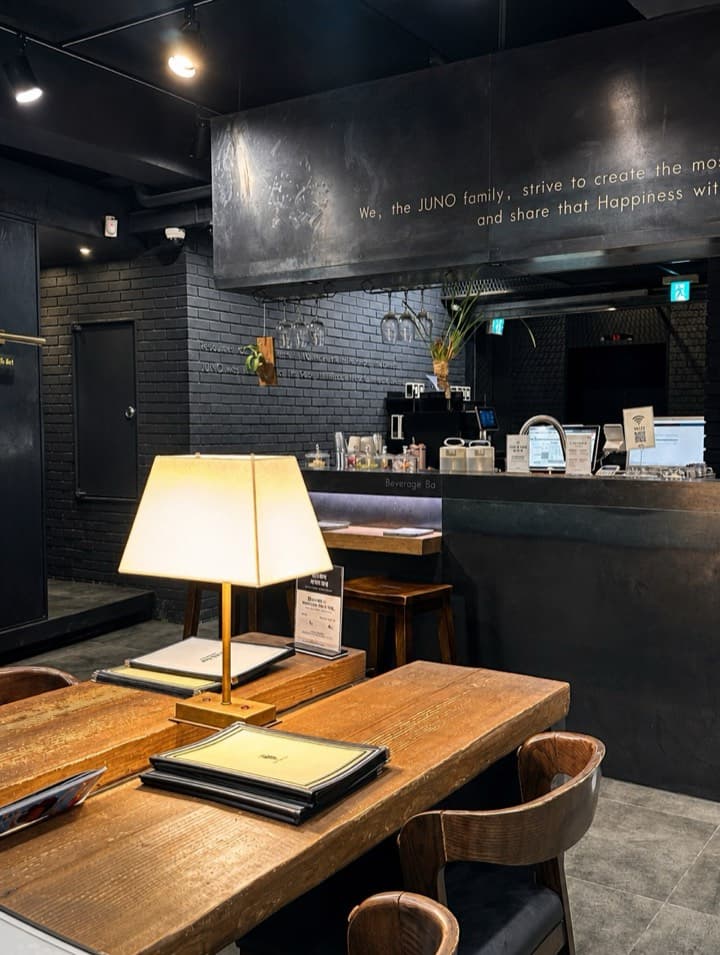
For travelers who feel nervous about explaining their hair in Korean, JUNO HAIR Seomyeon Bujeon is a friendly option. It sits on the 3rd floor of the Cheongyang Building near Seomyeon Station, offers consultation and booking in English, and you can reserve online in advance at yrlapp.com/p/junohair-seomyeon. Walking in with your reference photo and a clear idea of which perm you want, from this guide, is the best way to leave with hair you are happy to take home.