2026-07-02
A Guide to Bangs and Face Shape, From Forehead and Crown to Impression by Style
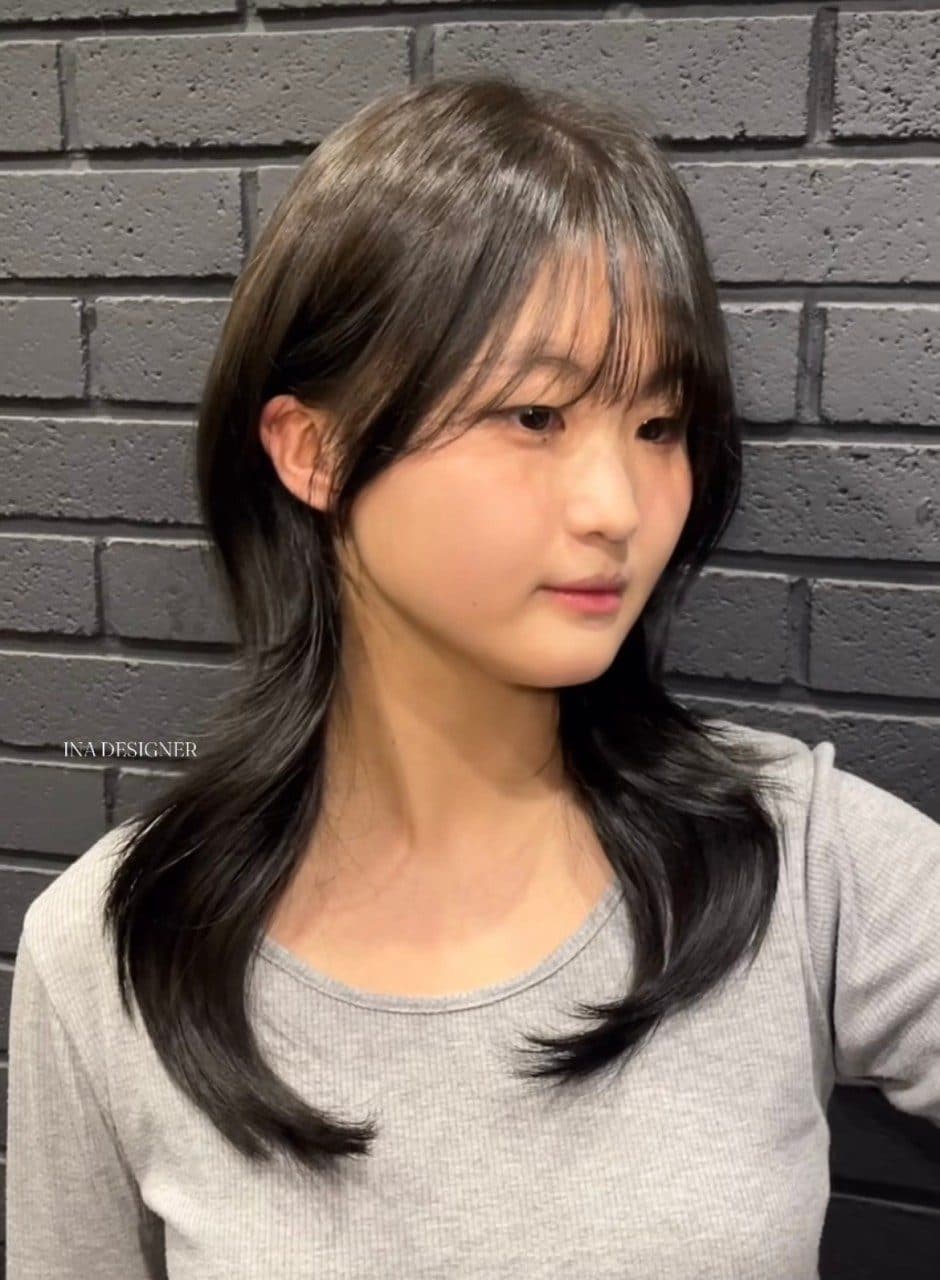
The first thing to check before choosing bangs is not face shape but forehead width and the direction of your crown swirl. Even with the same face shape, how wide or narrow the forehead is and which way the crown swirl flows changes which bang type and part direction actually suits you. Face shape is best treated as the second reference point, not the first.
Face shape haircut recommendations are already covered in a separate guide, so this one focuses only on bangs. We go through why forehead and crown come first, how the impression changes by bang style, a safe starting point for each face shape, the limits your hair texture creates, a 3 minute self check for deciding whether to cut, and the honest note that bangs need upkeep more often than the rest of your hair.
1. Forehead and crown come before face shape
Bangs start above the forehead, so the width and height of the forehead shape the result before face shape does. If your forehead is wide, a side swept part or bangs with a middle part naturally cover the forehead area, while a narrow forehead can look cramped under thick, blunt bangs, so thinning them out works better.
Crown swirl position is another factor that shapes how bangs fall. If the swirl sits close to the bang line, the hair naturally flows in the swirl's direction, making a bang that falls perfectly straight from the center hard to hold. In that case, working with the direction the swirl flows and sweeping the bangs to the side is far easier to style every day.
2. How the impression changes by bang style
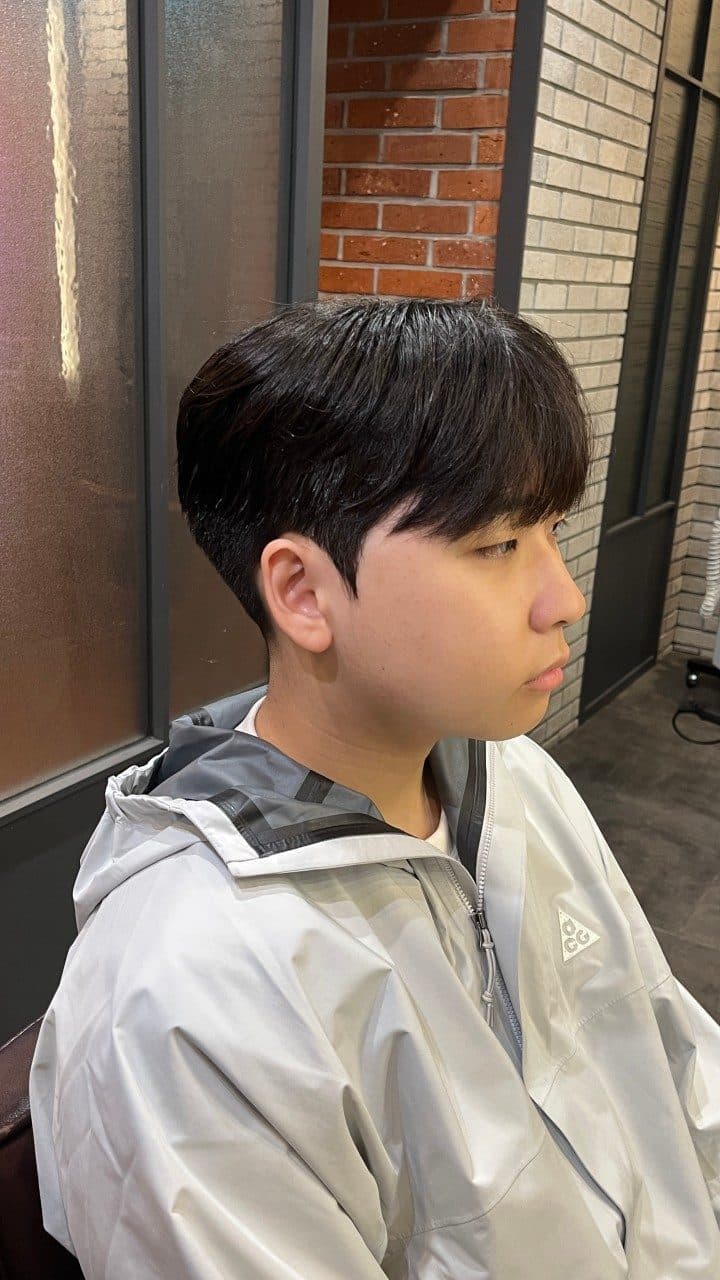
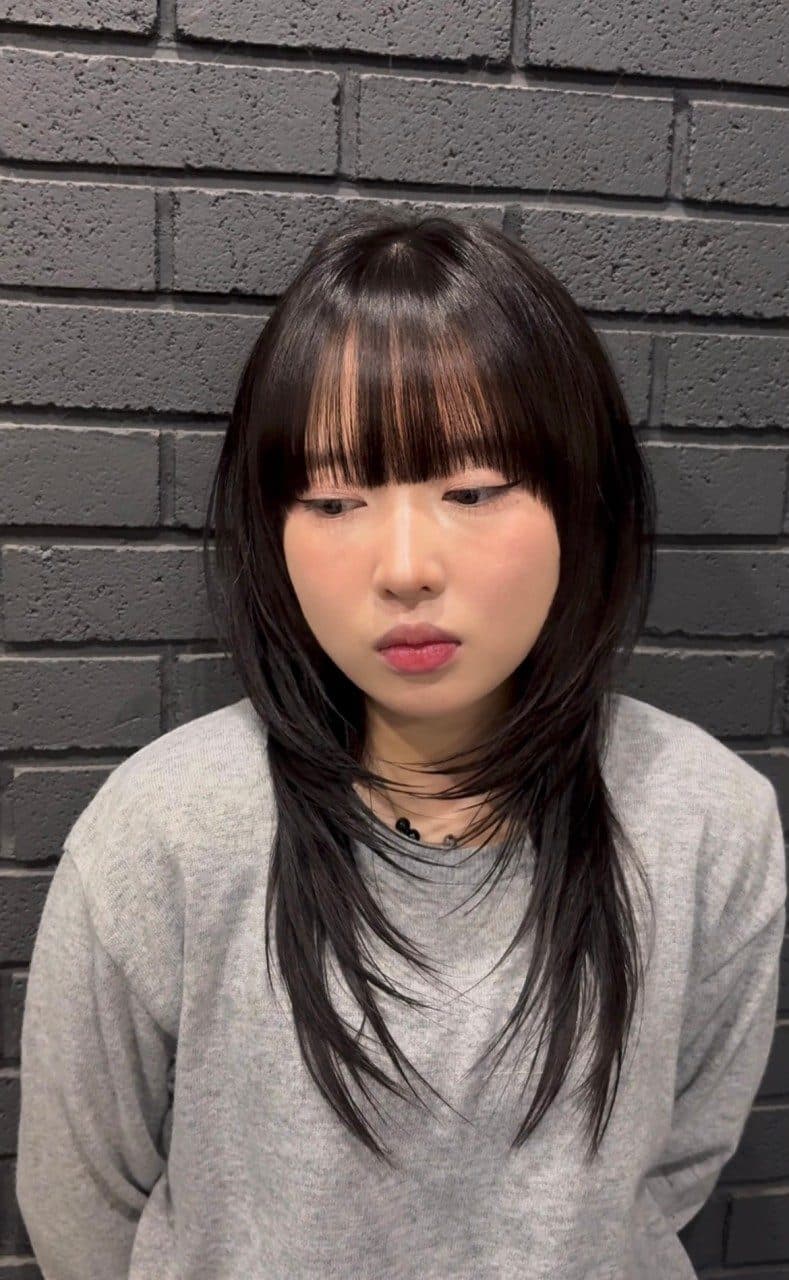
A full blunt fringe that falls straight across draws attention to the eyes and features for a youthful look, but since it fully covers the forehead, it also risks feeling heavy. See through bangs leave the strands sparse so the forehead shows faintly through, giving a light, natural impression, which makes it the safest style to try first.
Curtain bangs, which part in the middle and sweep to both sides, reveal the center of the forehead while softly covering the sides of the cheekbones. Side swept bangs flow to one side only and are strong at covering the sides of the face, while bangs pushed fully to the side with no fringe left across the forehead are the simplest to maintain but suit someone confident in their forehead and hairline, since it stays fully visible.
3. A safe starting point by face shape
Face shape haircut direction is covered in a separate guide, so here we touch on bangs only, briefly. For round faces, see through bangs or curtain bangs that leave the center of the forehead a little open add vertical length and make a safe starting point, while for angular faces, side swept or curtain bangs that cover the sides of the cheekbones soften the angles.
For long faces, a full fringe covering the forehead broadly or a slightly denser see through bang helps shorten the vertical impression, while a shorter face benefits from a lighter part that does not cover the forehead too heavily, keeping balance without feeling cramped. That said, this is only a starting point. In practice, forehead and crown condition matter more, so it is best not to decide based on face shape alone.
4. The limits your hair texture creates
Curly textured hair often frizzes or lifts at the bangs as it dries, so a style with some layering or thinned strands is easier to manage than a fully blunt fringe. Straight hair, on the other hand, tends to droop without enough weight, so leaving a certain amount of density helps it hold its shape without poking into the eyes.
When the crown swirl sits right above the bang line, a full blunt fringe needs daily blow drying to press it into shape, and on days with no time it tends to frizz back into the swirl's direction. Dense hair can make just the bangs look overly thick, so thinning with layers helps, while sparse hair often needs to stay blunt to avoid looking thin. Telling your designer about your hair's texture in advance leads to far more accurate advice when deciding on a part.
5. A 3 minute self check for deciding whether to cut
There is a check you can do in front of a mirror in about 3 minutes. First, let the bangs fall naturally over the eyebrows and see if they block your vision. Second, sweep them to the side and check whether the part lines up naturally with the crown swirl. Third, feel with your hand how much the length differs between wet and dry. If two or more of these three feel off, it is reasonable to treat that as a sign it is time to trim.
Trimming just the bangs is often a quick visit, so there is no need to plan a full style change to come in. The women's design cut is priced at 35,000 won by the menu at Juno Hair Seomyeon Bujeon, and whether a full haircut or a bangs only trim fits your situation is best confirmed during an in person consultation.
6. An honest note, bangs need upkeep more often
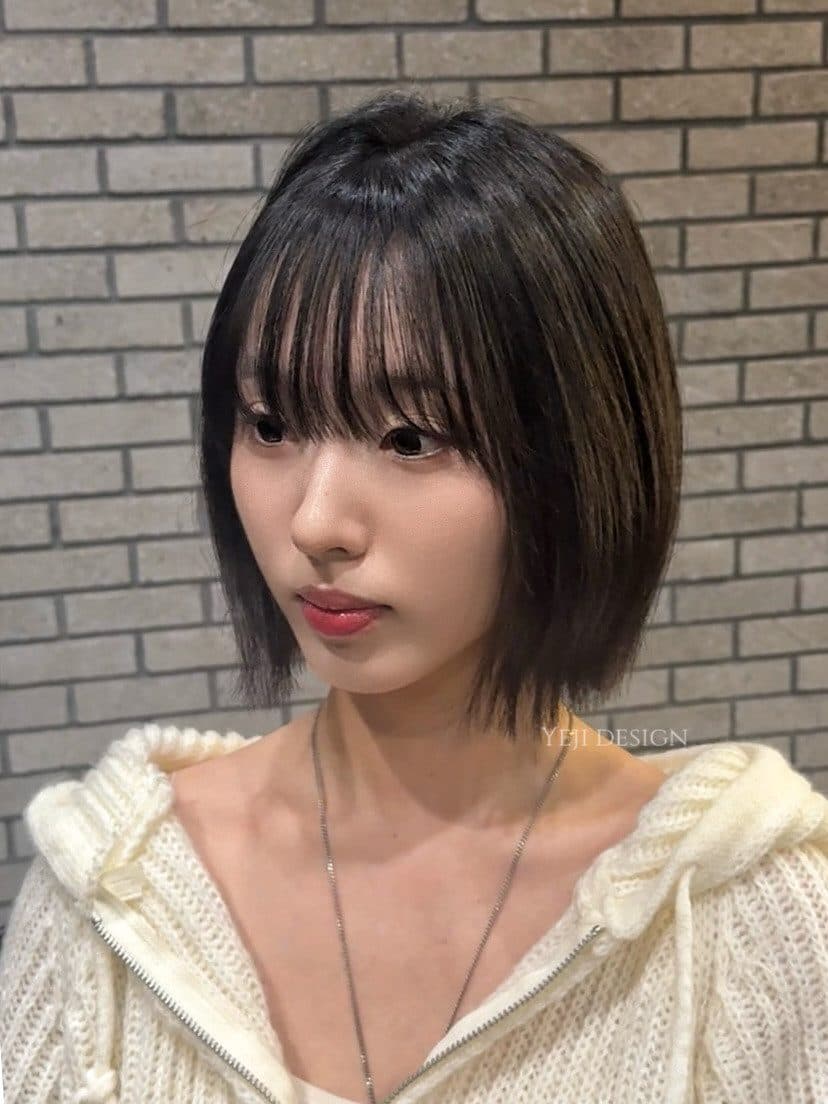
Bangs show growth far more noticeably than the rest of the hair. Hair at the back growing about 1 centimeter a month barely shows, but bangs sit against a clear reference line at the eyebrows or eyes, so the same amount of growth changes the impression quickly. That is why many people trim just the bangs every 2 to 3 weeks, separate from their regular haircut cycle.
If this cycle feels like a hassle, not getting bangs at all, or starting at a slightly longer length where growth shows less, is an option. On the other hand, if you want a short, defined look, knowing in advance that it comes with a shorter upkeep cycle helps avoid regret later. Bangs are a style where the ongoing trims after the first cut matter more than the cut itself.
Deciding on bangs in Seomyeon
When deciding on bangs, checking your own forehead width and crown direction first, then consulting a designer about which part is easiest to maintain, reduces regret more than searching for face shape photos first. If you are unsure whether to cut, try the 3 minute self check above first, and when you visit, talking through your hair texture and daily styling habits together helps land on a more accurate direction.
How to get here and booking
Juno Hair Seomyeon Bujeon is at 3F Cheongyang Building, 40 Seomyeon-ro, Busanjin-gu, Busan. It is about a 5 minute walk from both Exit 7 and Exit 9 of Seomyeon Station, easy to reach by subway. Hours are open every day from 10:00 a.m. to 9:30 p.m. There are 6 designers, Won Suhyun, Jenny, Soyeon, Ina, Hyuk, and Yeji, and cuts and bang styling are often handled by designer Ina and designer Yeji. For a Seomyeon bangs consultation or booking, call 051 809 9605.
If you are planning to try bangs for the first time or trim them in Seomyeon, Busan, come by Juno Hair Seomyeon Bujeon for a consultation on the direction that fits your forehead and crown first. It is a Seomyeon hair salon people return to for cuts and bang styling. Share the impression you want and a designer will help find the part that fits your hair texture and crown direction.
Frequently asked questions
Can I decide on bangs based on face shape alone?
Face shape is the second thing to consider. Forehead width and crown swirl position shape the bang style and part first, so even people with the same face shape can end up suited to different bangs depending on their forehead and crown.
My crown swirl keeps splitting my bangs, is there a fix?
If the crown swirl sits close to the bang line, a straight center part needs daily blow drying to hold its shape. Switching to a part that follows the direction the swirl naturally flows and sweeps to the side makes daily styling much easier.
Which is safer, see through bangs or a full fringe?
See through bangs leave the strands sparse so the forehead shows faintly through, giving a light, natural look, which makes them the safest first try. A full fringe emphasizes the features clearly but fully covers the forehead and can feel heavy, so it helps to check your forehead width first.
Can I get bangs with curly textured hair?
Yes, but since curly textured hair tends to frizz or lift as it dries, a style with some layering or thinned strands is easier to manage than a fully blunt fringe. Straight hair tends to droop without enough weight, so leaving a certain amount of density helps hold the shape.
How do I decide whether to cut my bangs?
Check three things in front of a mirror, whether the bangs block your vision when let down over the eyebrows, whether the part lines up naturally with the crown when swept aside, and how much the length differs between wet and dry. If two or more feel off, it is time to trim.
How often do bangs need trimming?
Separate from the regular haircut cycle, many people trim bangs every 2 to 3 weeks. The women's design cut is priced at 35,000 won by the menu at Juno Hair Seomyeon Bujeon, and a bangs only visit is also possible, so it is best confirmed during a consultation.